“What didya say?” yelled Margaret O’Brien to dog trainer Kit Hayes as she approached the front door of a modest single family home. “I don’t have my hearing aids in. Just a sec.”
“Whatttt”!
Margaret was referred to Kit, a trainer with 30 years experience, and hoped she could solve her problems with an irascible five-month-old male Labradoodle Seamus who was constantly nipping and biting his owner. He also was not housebroken as evidenced by doggy pee pads scattered throughout the disheveled living room, dining room and kitchen. Kit was gagging from the stench of canine urine and feces. I should have brought a mask she thought. Margaret was not a woman of means.
Kit had seen it all and this particular situation did not loom well for Margaret, a deaf septuagenarian and a poorly controlled diabetic. She was a large woman, gray-haired, overweight and wore thick eyeglasses from which she squinted.
Due to Margaret’s hearing loss, the conversation started by the two women yelling at each other. Margaret’s sentences were punctuated with a barrage of “What?”, “I can’t hear you” and can you speak loudah?!” She also spoke with an incredibly thick Boston accent.
Kit was familiar with presbycusis, age-related hearing loss. Her husband, age 65, had hearing deficit – it ran in his family- and reluctantly with her urging was fitted to hearing aids. He admitted it was a wise decision because he no longer asked her to repeat herself.
Regarding Margaret and Seamus, Kit’s preliminary assessment was one she’d seen with so many dogs and their owners. Margaret didn’t have a clue on the fundamentals of housebreaking. And the nipping and biting, common for dogs Seamus’ age, were problems needing fixing. Margaret would begin explaining what was going wrong but suddenly switch to an unrelated subject.
“I almost died two years ago – passed out in the living room,” she bellowed while veering from the her problems with Seamus. “My blood sugar was 1,000 and my neighbor found me. Saved my life.”
“I’m sorry to hear that,” Kit replied with her voice level approaching 90 decibels. “But let’s talk about the biting. Puppies are still teething before six months of age and they nip. Biting is an entirely different behavior problem.”
“That Seamus is a little devil,” Margaret yelled. “My children bought him for me as a companion. Of course he barks but that’s one of the few benefits of deafness. I can’t hear him a’tall!”
The one hour consultation dragged, mostly due to Kit’s frustration of having to repeat information. Seamus unfortunately wasn’t provided with the usual rubrics of today’s puppy training.
Kit started her career more than 30 years ago.
Her clientele were mostly from cities and towns in Boston’s Metrowest. In 1989 she popularized the concept of “puppy kindergarten” where puppies from ages two-to- six months learn to socialize. Puppies go through a “critical period” where learned behavior can be absorbed. The kindergarten was the brainchild of Dr. Ian Dunbar, a British veterinarian and psychologist living in California. At that time, kindergarten was a relatively new technique in dog training.
The sessions were useful in creating bite inhibition and proper interaction with their fellow canines. Supervised socialization tended to eliminate dog aggression, a problem that frequently occurs among dogs who grow up isolated from other their canine brethren.
Kit told Margaret Seamus was on the cusp but there was still time for him to learn not to bite her, other humans and dogs. There was a sadness in this situation. Well intentioned family members buy a puppy for an older relative whose age or physical limitations create a daunting, nay impossible task.
The puppy gets no training, no direction and becomes pest or biting machine. He doesn’t receive housebreaking rules and a dirty dog, an uncontrollable monster can be created. In the end a now older puppy is untrained and is transferred to a dog shelter.
The damage is done. No one wants the dog and he is eventually euthanized. During her long career, Kit had repeatedly witnessed this scenario. The unhappy ending was usually inevitable. Kit gave her Margaret her final instructions.
“Get Seamus into a group class,” Kit yelled as the session thankfully ended.
“What?” she responded. “I couldn’t hear you, honey.”
As a last resort, Kit wrote her recommendations on two sheets of legal paper.
“Call me if you have any questions, Margaret,” she screamed while leaving the home. Her mouth was parched from the 60-minute ordeal. I’ll probably have laryngitis tomorrow she mused.
On her way home she felt emotionally spent. Working with a person whose age and medical deficits was exhausting. She deeply cared about her clients – human and canine- and over the years the sadness takes its toll.
Several weeks later, Kit received a telephone call from Margaret’s daughter.
“I know you tried to help Mom, Ms. Hayes, and the family appreciated your time,” she said. “But Mom unfortunately tripped over Seamus and broke her hip. She’s in a rehab facility for an extended period. The family decided to return Seamus to the breeder. It was best for him and my mom. We are all heartbroken.”
“Oh, I’m sorry to hear that,” Kit replied. “I know your Mom was having problems. It was the right thing to do for everyone, Seamus included.”
Kit could sense relief in the daughter’s voice. It was a predictable ending, one she had witnessed too many times.
As she hung up the telephone, she was overcome by a touch of melancholy. During her career she’s witnessed many dog situations where, despite good intentions, the owners don’t listen or follow training instructions. Some choose to keep ill-behaved dogs for many years. Owners alter their lifestyles to accommodate a four-legged bête noire who eventually rules the roost.
Of course the alternate scenario is surrendering the dog who will probably be bounced from several succeeding families, none of whom can cope with an untrained canine. Eventually the dog meets a predictable death by lethal injection.
For Kit, foreseeing that scenario was always an incredibly depressing aspect of dog training.
Leonard “Len” Shaker is a veteran freelance writer who spent most of his career covering stories for regional newspapers and national publications. He usually wrote articles for the Boston Globe, New York Magazine and the New York Times. He avoided political news – he’d become jaded as the years flew by. Politics and politicians eventually became an anathema. He had always leaned towards the more fun topics, the so-called human interest stories.
At age 72, he’d finally retired from the writing profession but he learned story telling never dies. It merely transmorgrifies. On a warm sunny day in June, he had his snazzy red Alfa Romeo Spider Veloce detailed at the Perfection Auto Services in Watertown, Massachusetts. He was friendly with Mike, the owner, who was a craftsman at auto body repair and painting. He was also a successful entrepreneur. His business now included a fleet of tow trucks. Cars with minor to severe body damage were skillfully repaired – and at reasonable prices.
While walking towards Mike’s office, Len stopped, then rubber-necked towards a car that was eerily familiar.
It was a 1960 white Cadillac Eldorado Biarritz convertible. He walked closer to the vehicle whose paint was flaking and definitely showing its age. It was a top-of-the-line Cadillac from an era when “Caddies” ruled supreme. The car represented the prestige and luxury found only in General Motors’s elite and elegant motor cars. The model’s name, Biarritz, evoked images of the famous and exclusive French Riviera resort town. The 1960 Cadillac is considered one of the most beautiful models designed by General Motors.
The Biarritz needs some love
Len circled the dusty car. Peering through dirty windows, he noticed the red tufted leather seats were in remarkably good condition. Hmm. I wonder, he thought. Is this the car I think it is? The answer appeared before him. An 8×11 note paper was taped to one window and bore the name “Millian” and contained a telephone number. Len quickly entered Mike’s office.
“Is this Bob Millian’s car, Mike?!,” he asked excitedly.
“Yeah, his son brought it over last week,” Mike responded. “He wants it completely reconditioned.”
“I can’t believe it,” Len said. “I wrote a Boston Globe story about Bob and this car forty years ago! The Biarritz is finally showing its age.”
Local car buffs knew about Millian, an eccentric extraordinaire, whose obsession with Cadillacs – particularly this white Eldorado- was legendary. Len stumbled upon this man as he was standing at a nearby gasoline service station and was surrounded by a sea of 1959 and 1960 Cadillacs. Len parked his car on the street and introduced himself. Bob Millian would become one of the most amusing characters Len met during his freelancing career.
When Len interviewed Millian, he was struck by his physical appearance. Short, thin and middle-aged, Millian was a bundle of nervous energy – Len referred to him as “an exposed nerve”. His aquiline nose was a prominent facial feature but was overshadowed by his eyes. When he talked excitedly – and that was often- his eyes would bulge as did the pulsating carotid neck veins that appeared as if they would burst at any moment. He was a latter day Rodney Dangerfield. He smoked cigarettes and he’d stab the air, the smoke curls forming a cloud around him.
According to Len, Millian, like so many youths growing up in post World War II, was infatuated with automobiles, especially Cadillacs. He’d bicycle five miles at night to a local dealership and literally press his nose against the windows. The Cadillacs shone under bright spotlights. The cars were parked on carousels and slowly spun in circles, the chrome grilles and trim sparkling like diamonds.
“I said to myself, some day I’m gonna own one of these beauties,” he told Len, pointing the twenty Cadillacs on his parking lot.“And as you can see, my dream came true.”
According to Len, Bob Millian was a “blue collar Renaissance Man”. An accomplished master automobile mechanic, Millian was a U.S. Air Force pilot and throughout his life frequently flew his personal Piper Cub airplane.
He was also an accomplished piano player and would delight his customers by playing on a spinet piano located in the garage (Honky Tonk was his favorite music). Financially, he did well and lived in Weston, Massachusetts, a tony metro west suburb outside of Boston. He built a large garage for the Eldorado and a second structure that stored extra Cadillac auto parts.
He told Len he purchased the Cadillac in 1965 from a retired banker. The car had been driven less than 10,000 miles; in essence a practically new automobile and for the rest of his life, Millian kept it in a specially heated garage. The Biarritz was a bird in a chrome-plated cage. He never drove it as a pleasure vehicle- he was paranoid over the Caddilac being damaged in an accident. The car was driven only to and from local classic car shows. It would promptly be returned to its concrete cocoon.
“I drove it to the shows but the weather had to be perfect, no rain allowed,” Millian would boastfully say “And the Biarritz always won the blue ribbon!”
As a mechanic, Millian knew replacement parts would eventually become difficult to obtain. That explained the numerous Cadillacs in his parking lot. He began buying used 1959 and 1960 models and cannibalized them for spare parts (mechanically the ’59 and ’60 were identical). Most cars were dissembled and stored in a separate garage Millian built for that purpose. Many cars, however, were sold to discerning clientele wanting vintage Caddies.
He was quirky about maintaining the car’s pristine condition and was a stickler for detail.
“My dad was obsessive compulsive when it came to the Caddy,” his son Bob, Jr. told Len. “Two of the red leather upholstery buttons went missing -this was the days before the internet. He found a parts dealer in Pennsylvania that had original buttons. He flew his plane down there and wound up buying a dozen more buttons! He always wanted to have parts in reserve.”
Young Millian said his father eventually sold the service station and spent the rest of his life in adoration of a piece of steel, rubber and glass . During his later years he fulfilled another dream by installing a rotating carousel that was identical to how Cadillac dealerships displayed their inventory during the 1950’s and 60’s.
“He’d just sit there watching and enjoying the Eldorado spinning and spinning around,” his son said. “Like I said, Dad was obsessive over that car.”
Bob Millian, Jr.
That was then, this is now. Millian died in 2009 and his son vowed he’d continue the car’s legacy. The Eldorado remained parked in his dad’s garage. The family home was sold and the car was stored in his son’s modest garage. Young Bob would violate his father’s creed, however, and drive along the quiet nearby streets. The car’s engine needed to be used to prevent malfunction.
“You have to drive it to keep the antifreeze, battery and motor oil in good shape,” he said. “One of the problems is the engines of all those cars needed leaded gasoline. Unleaded gas fouls up the engine. I found a garage thirty miles away that still sells leaded gas. A real pain in the butt. The car has only 35,000 miles on it.
After 63 years, the car unfortunately began showing its age. The ravages of time revealed white lacquer paint that was cracking and peeling. Some fender parts were rusty. It was time for a makeover.
Enter Arthur D’Amico, a seasoned “body man” at Perfection. Owner Mike chose him to oversee the reconditioning and painting. Entering the vast garage, Len was overpowered by the acrid smell of auto paint and the cacophonous banging of dented cars being repaired.
Arthur D’Amico and the Eldorado
“All this car really needs is a new paint job,” he yelled to Len over the deafening, grinding sounds of cars being sanded. “This is the most well preserved antique auto I’ve seen. There’s nothing wrong with it. Everything is solid. It makes restoration a breeze and a lot easier.”
He opened the hood and showed Len the powerful V-8 engine. Closing it, D’Amico commented on the solid “thunk” sound.
“Hear that sound?” he asked. “You don’t hear that today. This car is made of thick, high grade steel. Cars today are tinny. The sheet metal is thinner and cheaper.”
D’Amico has been painting and finishing cars for nearly fifty years. He enjoys working on the older vehicles as they represent what the American automobile industry once was. Restoring the Eldorado is actually a pleasure because there aren’t mechanical issues, difficult-to-find parts or accessories to replace.
“The Caddy looks bad because of the old lacquer paint,” he said. “The chrome is in fantastic shape and the leather seats look like high grade cowhide. We will, though, have to replace the carpeting.”
The Millian car in transition
He said today’s paints are urethane, maintain their luster much longer and won’t fade and crack. According to D’Amico, Young Bob Millian was in no hurry for the job completion. D’Amico works on the car on a part time basis and predicts the Caddy will be ready by spring.
“Bobby’s in no rush,” he said. “He’s not hyper like his dad was.”
D’Amico personally knew Bob Sr. and especially his behavior at car shows.
“It’s true, “ he said “The old man would have friends driving to shows in a convoy. He didn’t want any cars near the Caddy. At the show he’d holler at anyone who tried touching the Eldorado Nice guy but he had no problem telling you he didn’t like you!”
As for the restoration, the procedure is lengthy and time consuming. After removing the chrome moldings, the car’s body must be sanded to bare metal. Two primer coats will be applied and the final coats of white urethane paints follow. Interior refurbishing will be the final task.
“This job is a labor of love,” D’Amico said. “Personally knowing the car and Bob Millian’s legacy, I can hardly wait until it’s finished.”
Sometime next spring, the 1960 Cadillac Biarritz, serial number 6EO52078, will be driven away from its six month hiatus. And young Bob Millian, Jr. will be perpetuating the dream his father turned into reality sixty years ago.
Len Shaker intends to write yet another human interest story and plans to be present at the celebration hosted by Bob Jr. And somewhere Bob Sr., cigarette in hand and bulging eyes, will be smiling.
There have been so many movies where a nostalgic protagonist sits someplace and time travels into the past. The scene is displayed as waves drifting back and forth, then and now. Memories ebb and flow. The Rosebud scene in Citizen Kane. Childhood play in a playground. Awkward teenage years. A first love and a first heartbreak. The thoughts become a movie reel and suddenly the memories accelerate with speed. While sitting in a train seat the scenery moves so fast it becomes a blur.
The train jolts to an abrupt halt and you sit pondering where time has gone. Suddenly you are an older person and your life has become a repository of events, some important, others trivial or forgettable.
And so it happened to me the other day. I was walking to my car after completing a new endeavor: yoga classes for beginners aka “Seniors”. The studio was located in downtown Waltham, Massachusetts, a very familiar area.
I sat in the car and that wave of nostalgia engulfed me. On these streets, I drove to and from a college summertime job that, in retrospect, had a seminal influence. As important, it was a blast.
Muscle memory navigated me through a route in the city’s blue collar neighborhoods. The majority of businesses were auto repair shops, sheet metal businesses and warehouses. Along the streets were rundown triple-decker homes that housed yet another generation of immigrant workers and their families. Little was different in this section of the city.
At the end of one of main streets was a narrow, semi-paved road, Fern Street. I turned left , took a sharp right and there it was: a garage and free standing office: The East Middlesex & Suffolk County Mosquito Control Project. The building, once yellow, was now painted white. Otherwise, its appearance hadn’t changed. I had returned to the 1960’s. The memory was still a reality.
On a whim, I knocked on a closed door. A grey-bearded, middle-aged man appeared. He was dressed in a cotton tee shirt, Bermuda shorts and sandals.
Brian Farless,Superintendent East Middlesex & Suffolk County Mosquito Control Projects
“Hi, I’m Brian Farless,” he said in a friendly tone. “How can I help you?”
“Well, you might say I’m Morley’s ghost,” I replied chuckling. “I worked here in the 1960’s. I was one of the Project’s Hell’s Angels.”
“You’re kidding!,” Farless exclaimed. “I knew about the Project’s motorcycles but never saw one.”
Farless was referring to a fleet of three-wheeled tomato red Harley Davidson Servi Car motorcycles used during summers to spray catch basins in the eleven communities comprising the Project.
The chance visit became a forty-five minute chat that fleshed out the history of state-funded consortium that began in 1948 under the Project’s first superintendent, Robert Armstrong.
The congenial Farless offered me coffee and I relayed my story. As a kid growing up, I used the see the motorcycles traveling through my hometown of Belmont. My friends and I would say, “Boy those bikes are cool!” Little did I realize I would become one of the ‘skeeter killers during the summer of my sophomore year.
The Project’s Harley Davidson Servi Car
That was 1966. I had previously asked one of the bikers how to apply for the job. He suggested I contact Mr. Armstrong. I called him that day and he invited me to the garage.
I was in the proverbial right place at the right time. Another student who’d applied for the motorcycle job had been in a serious automobile accident. Armstrong hired me that day. There were two qualifications: I had to obtain a state license for pesticide applications and change my driver’s license to include motorcycle operations. I quickly obtained the two documents and was ready to work.
Armstrong was an imposing figure, the quintessential Yankee : tall, ramrod thin and patrician.
A graduate of Amherst College, Armstrong became fascinated with entomology. In 1947 he jumped at the opportunity to manage the fledgling organization.
I told Farless the most ironic thing about Armstrong’s physical appearance was his long nose.
The Project’s very unsexy bicycles.
“I often remarked that Armstrong, – or ‘Army as he was called- in profile actually resembled his quarry, “ I said. “He had a mosquito nose!”
Farless pulled a Danny Thomas and sprayed his coffee while laughing.
THEN
The crew consisted of five full time employees and the summertime bikers. Armstrong was the entomologist and he divided his time between administrative work and trapping and identifying mosquito species in the field. Much of the Project’s work involved detecting areas of stagnant waters – marshes, estuaries and low lying swamps– and improving drainage, thus ensuing elimination of mosquito breeding areas. Basically, it was a bunch of guys ditch digging in remote wooded areas. Metro west Boston had numerous affluent communities where open spaces were a hotbed of mosquito breeding. On rainy days, the bikers would join the crews.
The motorcycle team, usually three bikers, had the more envious job. We cruised the streets and road on the Servi Cars. Armstrong, an astute innovator, discovered mosquitos also bred in catch basin along all roadways. His genetically primed Yankee ingenuity determined the Servi Car would be the perfect vehicle to deliver insecticide into the basins.
There was storage area behind the bike. He installed a 20 gallon oblong tank inside the vehicle and then attached a pressurized valve and nozzle atop the drum.
Using a compression hose, he attached a six-foot rubber pipe and a pressure trigger similar to spring-loaded garden hose nozzles. At the end of the pipe, Armstrong attached a dispensing tip that would spray liquid in a 360 degree pattern.
Armstrong filled the drum with water and environmentally safe insecticide and inflated it to 100 pounds per square inch of pressure. He squeezed the trigger. A perfectly symmetrical spray burst through the end nozzle. Success.
For decades the Project’s motorcycle crews became a summertime fixture in Metro West. I had a ball during my three summers. It was a fun job. Every rider developed a great tan –from the waist up. Riding through the various communities was educational. When spraying in Cambridge, I always lunched inside the historic Mt. Auburn Cemetery. A sandwich shared with literary greats. We used road atlas maps to navigate through the communities. I learned many short cuts that I came to use even after my employment there ended.
To this day I’ll take routes that perplex my wife.
“Let me guess, we’re taking this shortcut because of the Mosquito Control, right?” she’ll exclaim.
One part of the job was tough: the heat. For seven hours, riders sat astride a 300 pound air-cooled motorcycle engine. Dog-Day August sun plus the engine heat required my drinking a half gallon of water daily. But that was part of the job description. You got used to it. The greatest joy was spraying a basin and watching as a swarm of mosquitos escaped, a certain death awaiting them. Many residents would thank me or give a thumb’s up as I drove along side streets while smoking an Italian cigar. It was satisfying to do part of an effective public health “project”.
Armstrong often lectured the importance of the ongoing battle with mosquitos. And he was correct. Until I’d worked for him I didn’t realize malaria was only one of the dangerous diseases mosquitos transmit (there are about 3,500 species worldwide). This included Dengue Fever and Yellow Fever. West Nile Fever appeared in America after Armstrong retired.
NOW
Bob Armstrong retired in 1977. Brian Farless is the Project’s fourth superintendent. A native Virginian, he majored in environmental studies in college and held such jobs as studying the death of bats in Wyoming and turtle migrations in Colorado. He eventually became interested in insect-borne disease control. He has supervised the Project since 2017.
“They eliminated the motorcycles in 1982,”he said while finishing his coffee. “My predecessors decided to find more environmentally safe insecticides. They also felt the motorcycles were too expensive, too much overhead. We’ve gone from Harley-Davidsons to Schwinn bicycles that were introduced in 2001. The age of the real bikers are gone!”
The Project still hires college students for summertime work. It has a fleet of bicycles. Instead of a spray, they drop synthetic bacteria pellets – called BTI- into the basins that are carried in baskets. They also mark that basins with spray paint to certify the earth-friendly insecticide has been applied.
“One other thing is different,” Farwell said. “The motorcycles were painted bright red. You could really see them and they had lettering on them. Our bicycles have drab colors with no identification. We’ve had too many stolen so we keep as inconspicuous as possible.”
The Project itself is different. In the 1960’s there were eleven participating communities. The number has increased to twenty-seven and now incorporates cities and towns in Suffolk County. In fact, there are now eleven Projects across Massachusetts.
Farwell said another change was the method of distributing insecticide sprays that would cover larger areas. The machines were called “fogging machines” and the process was conducted at night after temperatures cooled. The foggers were extremely loud and produced a fog like cloud. They were effective but noisy. Today the Project uses a mist.
“Yeah, just like the old foggers, the mist machines make a lot of noise,” Farwell said. “But that’s to let neighborhoods know our vehicles are out there.”
As an adjunct to the misting, the Project contracts with a helicopter company that in spring “dusts” the communities with an environmentally friendly insecticide. Farwell said the aerial application covers 1,800 acres.
He said he really enjoys supervising the Project. Although his job is primarily administrative, he, like his predecessor Armstrong, occasionally joins the crew in their wet, swampy “office”.
“One of the occupational hazards is Lyme Tick infestation,” he said. “ Guys leave their work areas and a covered with ticks. It’s a problem.”
Our pleasant conversation ended and I exited from the old, familiar building. I hopped into my car and driving away, the memories of an oh-so-long-ago adventure stayed with me. It pleased me that the continuum was there. The Project was fighting the good fight. The world has changed but mosquitos haven’t. I smiled as I took yet another short cut home. Yes, honey, the Project is still with me.
Ed “Boo-Boo” Clipner was a pleasant sort and stereotypical construction worker. In his late 50’s, he was 5’10 with a thick, short hairy neck. He weighed nearly 300 pounds. Often unshaven, “Boo” as his co-workers called him, was popular among his mates. A longtime cigarette smoker, he was obese and consumed anything on a McDonald’s or Big Burger menu. He had the classic beer belly and the predictable plumber’s crack. His wardrobe consisted of flannel Carhart shirts, Dickies work pants and scuffed Timberland boots. Boo was always reeking of tobacco, smiling with nicotine-stained teeth and wheezing. That’s usually the telltale sign of someone COPD-bound. The oxygen pack was perhaps a few years away.
Illustrations by Vince Giovannucci
Ed “Boo-Boo” Clipner
Boo was oblivious to his self-destructive lifestyle. There are many psychological reasons why the Boos of the world choose to let their bodies dissipate. The psychopathology usually involves insecurity leading to poor self-image. Blue collar workers often display such traits. Their work is physically demanding and often hazardous.
Like many of his brethren, Boo accepted the risks. The money was always good and there was a satisfaction in pointing to a skyscraper and saying, “I built that!”
The construction company for which he worked did, however, offer annual wellness examinations . Predictably, Boo neglected his health care benefits and in four years hadn’t been examined by his longtime primary care physician (PCP), Dr. Charlie O’Hara who’d recently retired. O’Hara’s office was at Bon Homme Hospital, a small regional hospital standing well in the shadow of Boston’s world class Massachusetts General and Brigham and Women’s Hospitals. It was considered average at best, its clientele tended to tradesmen and their families and the ever-increasing influx of illegal aliens. Bon Homme was not known for attracting the best and brightest MDs. His new PCP was Dr. Heeshwa Patel.
There’ve been numerous news stories about a physician shortage creating the need for many hospitals to hire foreign MDs who are graduates of third or fourth tier medical schools: New Dehli University, Zagreb College, the University of Naples. None of these medical schools could be compared to American Universities. In today’s world, however, these graduates were hired if they passed medical board standardized examinations. And this is how Boo and Dr. Patel (University of Bombay) crossed paths.
But Bon Homme was where the beloved Dr. O’Hara had practiced and Boo felt a certain loyalty. Along came Dr. Patel whose English was impeccable although his speech had that patois that was clearly Indian. He was tall, thin and swarthy. He sported a van Dyck beard hidden behind the ubiquitous Covid mask and was impeccably dressed with shirt and tie. The subtle aroma of sandalwood soap enveloped him. Dr. Patel exuded the appearance of a well-trained foreign physician. Before seeing his new doctor, Boo underwent the usual protocol.
Dr. Heeshwa Patel unmasked
“How ya doin’?, Dee Dee,” Boo said as he was greeted by the chubby veteran intake nurse Diane Diggins who usually took his vital health signs. The blood pressure the pressure cuff was difficult to attach due his meaty biceps.
“Oh, Boo, you always give me a hard time with these tests,” she teased. “Now let’s hop on the scale.”
“Ooooh, 315 pounds today, Boo,” she said. “That’s really pushing the envelope. It was 280 last time you were here. I’ll also test your cholesterol levels. Your pressure today is 185 systolic, 95 diastolic. That’s too high, Boo. Have you been taking your medications?”
“I’m trying Dee, I’m trying,” he said.
Dee Dee made no further editorial comments and entered the information into the electronic records computer. She told Boo to return to the office waiting room.
As is the custom today, there was a sea of patients awaiting their visits. Boo figured this was going to be at least a one-hour wait. And, yep, after two hours, Boo was ushered into an examination room.
He liked what he saw in Dr. Patel but he didn’t like the foreigner’s report. He ran down the laundry list of conditions.
“Your blood pressure and obesity are concerning, Mr. Clipner,” he said with his clipped, distinct accent. “These are troubling numbers. I must ask you if you’ve been noncompliant with your daily drugs.”
“Well, like I told Dee-Dee, I try, Doc, but sometimes it’s hard,” Boo replied. “But’s what’s been really bugging me are my eyes. Sometimes I can’t see, even with my “cheaters”. He was referring to the cheap drug store reading eyeglasses. “They’re made in China and I think they’re crap. Can’t see good.”
“Well, when was the last time you had an eye examination?” Patel asked as he conducted a perfunctory eye evaluation with an ophthalmoscope.
“Oh, maybe four, five years ago,” Boo answered. “I go to Dr. Megna here in town.”
“Well, I think it’s a good idea to see him,” Patel replied. “I’m sure your health insurance will cover the examination.”
Patel was gagging after Boo left. The smell of tobacco permeated the small examining room. He grabbed a can of maple/cherry room refresher to eliminate the foul smell of smoke, halitosis and body odor. Patel was extremely fastidious.
Four weeks later, Boo was sitting in Dr. Megna’s office. The waiting room was small. It was an old-time optometry practice. Steven Megna was in his fifties and was second generation professional. Boo and his family had gone to old Dr. Megna, the father. It was a generational relationship.
Dr. Steven Megna
“So Boo, we haven’t seen you in some time,” Megna said. “Are over-the-counter eyeglasses not working? Don’t forget, I’m not just checking your vision. Your general health is important. I haven’t received any information from your new doctor. Charlie O’Hara was good about that.”
“I can see pretty good with my cheaters but it’s another problem I’m having, Doc,” Boo said. “The vision sometimes fades to black and then comes back real quick.”
Megna’s diagnostic antennae quivered upon hearing that. Following his usual protocol, Megna began with a case history—changes to his medications, any flashes or floaters, problems with night vision etc. Boo’s distance vision hadn’t changed much but he did need an change in his reading prescription.
He, however, was more concerned with Boo’s report of fleeting blindness. After arriving at a new eyeglass prescription, Megna tested Boo for glaucoma and then instilled eye drops to dilate Boo’s eyes.
Many patients disliked the dilation- it blurs their vision for several hours and creates temporary light sensitivity.
About twenty minutes later, Boo returned to the examination room, his pupils were wide enough that his irises were nearly invisible. Dr. Megna shone bright lights into the eyes. Megna worked quickly and inspected the four quadrants of the retina. He repeatedly looked at areas of the retina and noticed a yellow fleck situated at the intersection at two vessels in his right eye. Observation of such anomalies was now easier since the addition of sophisticated retinal cameras providing panoramic views. Megna had already made a preliminary diagnosis. He printed the camera photographs.
Saying nothing, Megna opened a desk drawer and grabbed a stethoscope. He gently placed the ‘scope on Boo’s right side of the neck and quietly listened. He repeated this on the left. He slowly removed the instrument and waited several moments.
“Well, Boo, I’m afraid I have some alarming news,” he calmly said. “There is a medical term called ‘bruits’ – that’s a French word meaning whispers – and what I’m hearing is a whooshing sound in both carotid arteries. That usually means you have significant cholesterol blockage in both vessels.”
“Did you say ‘broo-ees, Doc,” Boo asked.
Clogged Carotid Arteries
“Yes but the spelling ‘b-r-u-i-t-s’ make some people said ‘brutes’”, Megna responded. “In any case it’s pronounced broo-ees.”
“Gee, the word looks like it should be ‘bruits’, you know like fruits,” Boo said.
“It doesn’t work that way with French words, Boo” Megna responded. “Trust me.”
He also explained the meaning of the incidents of temporary vision loss.
“In your right eye I can see a yellow deposit – it’s called a ‘Hollenhurst Plaque’” Megna explained while showing Boo the camera images. “It is cholesterol plaque breaking off from your arteries and causing temporary blindness. If the plaques become larger, you can go blind. We’ve got a serious situation. I’m being candid.”
The dreaded Hollenhorst Plaque
In a calm, reassuring voice, Megna told Boo there’s a surgical procedure where surgeons delicately cut open the carotid arteries and remove plaque buildup. It’s risky surgery but the only method of reducing this method of stroke.
This dire situation quickly affected Boo. Going blind!! he said to himself. Holy shit! All those Big Macs and greasy food have taken a toll.
“I’m going to refer you back to Dr. Patel with a computerized report,” Megna said. “I really think you should schedule surgery ASAP. This is something you don’t want to mess around with.”
A visibly shaken Boo-Boo Clipner left the office and said to himself, I’ll call first thing in the morning. Meanwhile, Megna was saying to himself Patel didn’t perform more than a cursory check of Boo’s eyes and, for God’s sake, did not check for bruits! I did and I’m “just an optometrist”.
One week later, Boo returned to pick up his new eyeglasses. The vision was much better. Megna ushered him into the examination room. He asked Boo about the surgery.
“I’m having the operation next week at Bon Homme,” Boo said. “Yeah, the doc was concerned. He’s recommending the surgeon operate on both eyes the same day.”
Megna’s jaw dropped. The procedure is called an endarterectomy. The carotid artery is quickly clamped off by the surgeon who basically roto-rooters the cholesterol plaques that are clogging the blood vessel. The technique has to be quick. The carotid artery is a main blood source to the brain and the cleaning must be thorough. A stray plaque can be escape upstream and cause a major coronary block that leads to strokes or death.
Dr. Megna had major concerns. Most surgeons will perform one surgery and then wait a week. More important, this delicate surgery requires top notch surgeons to perform the procedure at world class hospitals. Bon Homme was a local hospital and Megna doubted many carotid surgeries were performed there.
“Boo, I want to give you some advice,” Megna said bluntly. “I really think you should consider a bigger hospital for this surgery. But it’s your choice.”
“Naw, Doc, I been going to Bon Homme for years,” he replied. “I don’t like going into big hospitals. Of course, Dr. Patel ain’t doin’ the surgery. I’m seein’ a specialist.”
“Well, good luck but I wish you’d reconsider,” Megna replied while shaking Boo’s hand. Damned fool, he said to himself.
It was the last handshake.
Two weeks passed. Dee Dee Higgins arrived at work with a sad expression on her face.
“Oh, Dr. Megna, did you hear?” she asked. Boo Clipner died last night at Bon Homme. He had that surgery and died! He stroked out post-op. Just can’t believe it. He was such a character.”
Megna’s worst fears had been realized. People don’t listen and when they do it’s too late. Boo unfortunately had paid the price. RIP my friend as he stared at the stethoscope on his desk.
The problem with sending money to various charitable organizations is the metastasis that occurs after you’ve sent a contribution. Day in, day out, there’s a barrage of junk mail from these beggars. Example One: My wife and I are dog lovers. We sent a $100 check to the ASPCA after they mailed a predictable tear-jerker letter describing the depressingly sad story of an abused, emaciated mongrel that nearly died from inhumane conditions. The accompanying photographs were devastating. One of the predictable “gifts” – mailing labels containing pictures of the woebegotten critters.
Sending the money was a BIG mistake. We were placed on a patsy mailing list. That’s what these non-profit groups do. They prey on the sympathy gene and then sell your name to other organizations that redistribute your name, address, telephone number, or email address.
Soon we began receiving similar solicitations from the Humane Society, Save The Horses and innumerable animal rescue groups. They, too, enclosed return address labels and an occasional cheesy shopping bag made from “100% recycled materials”.
Example Two: Many people receive mail from veterans and military groups that also play upon our sympathy. Wounded Warriors and disabled veterans group behave the same way. Send $50 to one veterans and an avalanche of other groups are no different. Following soon are police organizations seeking donations for K-9 police dogs. Photographs of sad-eyed German Shepherd Dogs are enclosed.
There are organizations that gather information pertaining to specific interest groups. The tipoff is the addressee. They often misspell the given or surname. That’s a dead giveaway as to who sold your identity. Your name is sold near and far. They often enclose “gifts” that are used to increase the guilt factor.
Everyone has his hand out.The most egregious – and insulting—example was yet another veterans group that sent a tee-shirt, Size Large, with a Bald Eagle emblazoned with the phrase, “Land of the free, Home of the Brave”. You would think an non-profit that’s appealing to patriotism and love of country would not make a fundamental and insulting mistake. Upon inspection of the tee shirt, its label has the all-to-familiar imprint: “Made in China”.
I called the organization’s toll free telephone number. A woman answered.
“Wanting my money to support Americans and distributing a garment from the country that’s economically crushing us is very bad optics, madame,” I said.
“Oh, I’m so sorry. Yes you’re right,” she replied. “But you gotta understand we’re trying to keep our costs down.”
“Let me ask you this: how do you think the veterans feel?” I said. “You’ll not be receiving a penny from me. Supporting China’s economy is very uncool.”
It’s well known that a modicum of money received from these solicitations goes to the stated goal. It is estimated up to 80% of the contributions is dedicated to salaries. That’s a pretty big overhead. Just ask the United Way. In 1992 William Aramondy, disgraced former president, was terminated after a scandal embezzling $600,000 that covered European junkets and high style living. Between 2002 through 2018 there were four additional scandals involving United Way executives.
You start wondering how much money is going to the veterans and all charitable groups. There’s never a disclosure statement of who gets what and how much money.
It reminds us of the P.T. Barnum adage: there’s a sucker born every minute, especially those who receive a Chinese tee shirt in the mail.
Barbara “Babs” Hayes, a 60-something financial analyst, was fuming as she left the “Happy Endings” nail salon. Like many American women, she had reached her flash point with the hand and feet emporiums that are infamous for their cultural rudeness. As she had done numerous times, she’d arrived for her 11am appointment with her favorite manicurist, “Becky”, an incredibly petite woman who spoke few words.
“Su-Su”, the tattooed salon’s owner imperiously strutted over to Babs and, in broken English, said “Becky late. You sit there” while pointing to an old, well-worn vinyl and aluminum kitchen chair. Su-Su perceived her store as an East Asian fiefdom. She had an electric smile that turned on and off as her mood shifted. Twenty Vietnamese women worked in this chrome and glass gulag. There was quiet chatter, none of it English.
Black Clad Su-Su
The majority of customers in any nail salon are women. For some, the experience is zen. They sit back, relax and are soothed by the sensual indulgence. It is physical and emotional escapism. For others such as Babs, the mani/pedi experience is a quick fix method of improving one’s appearance, regardless of age. The appeal is looking well groomed, feeling confident and occasionally conjuring childhood memories of “playing dress up” wearing flashy colors. Painted nails were a rite of passage.
One of Babs’ best friends would be lulled by the process and actually fall asleep. Not so for Babs. And many of her friends admitted mani/pedis were a love/hate experience: they were always searching for the ideal salon. Babs had been a Happy Endings customer for more than two years, a comparatively long time. And like so many friends, she had a litany of salon horror stories. For example, she had previously gone to a salon – once -because she observed a bare-footed employee rubbing her fingers between her toes while waiting for the next customer. For Babs, that was a one and done. Ewww, that’s gross she said to herself feeling nauseous . That’s it, I’m outta here! And this incident occurred before Covid 19. Many nail salons tended to be unhygienic – and loud.
Some friends had recommended Happy Endings because of its cleanliness and quiet atmosphere. Owner Su-Su tried to be more sophisticated by pumping classical music through the spa’s sound system. She always wore black clothing and boots. Babs thought Su-Su resembled a goose stepping Nazi Stormtrooper.
Babs grew accustomed to such arrogant behavior. She was there because Becky was an experienced manicurist with incredibly skilled hands. She was also polite and quiet. Babs was always pleased with her nails and left a generous tip in cash. Lately, however, she had noticed a change. Becky had started conversing with her co-worker, Nguyên, who was massaging the gigantic feet of a tall mid-20’s woman. Babs had never seen such gunboats. They were likely a size 11.
Now these are ginormous!
Loud chatter started increasing and she immediately thought of the old Seinfeld episode where Elaine discovers the manicurists are discussing her and making snarky comments about clients “chan co’mui hoi” (smelly feet) or “con heo map” (fat pig).
During the past few visits, the conversations were becoming louder. Babs reached a flash point and looked squarely into Becky’s eyes:
“Becky, this chatter between you two is very rude and inappropriate,” she said. “You’re living in America. Start talking in English so people can understand what you’re saying. Tu dien dong nghaia tieng Anh Hoc thanh ngu Tieng Anh!!!” (an unpleasant retort)
In college, Babs had majored in East Asian languages and could speak passable Mandarin, Thai and Vietnamese. She chuckled because it helped when friends and family ordered Asian food.
Boss Lady Su-Su was incensed by Babs’ intrusion into this cultural atmosphere, especially after Becky received no tip. Babs rarely behaved that way but the entire experience had pushed her buttons. Sorry, Becky, but this customer had lost her patience.
Like most everything else in the United States, trying to find a nail salon owned and run by Americans was exceedingly difficult, but not impossible. It was Diogenes, 2023. Women regardless of age, were searching for OPI Nirvana.
She was a twenty-year-old, acne ridden woman who had Biafrin-thin skinniness. Like so many lemmings her age, she had the obligatory nose ring pierced through her left nostril and dagger-shaped chest tattoo emanating somewhere below her sternum and ending just below the throat. She also had a sleeve tattoo and was in her Goth mode: black blouse, pants and fingernails. “Tedi” was her name and she had arrived at Dr. Finkelstein’s dental office. She was due for an annual teeth cleaning.
“Uh, Tedi, lose the phone”
As usual, she clutched her beloved cell phone. Her generation treats the phones as a body appendage. You go nowhere without the devices being in hand or within reach. It’s similar to eating at a restaurant and watching a family of four seated at a table, each member staring at a phone instead of a menu. Interpersonal communication is minimal – pass the fucking butter and don’t grease up my phone.
The dental hygienist Judy seats Tedi in an examination chair. Tedi climbs into the chair but maintains a death grip on her phone as a bib is placed around her neck.
“Please put down the cell phone , Tedi,” Judy says. “I’ll be cleaning your teeth.”
“Like, you know, can you give me a sec?” Tedi replies. “I’m expecting a wicked important text.”
She then holds her phone at arm’s length and thumbs a brief message. Judy is not pleased, especially after the phone rings. “Oh, I forgot to turn off the ringer.” No apology. Tedi sits there with her ear buds attached and listening to Goth Rock band Sex Gang Children while tartar is removed from her lower incisors.
Such devo behavior transcends all professions, all occupations. Ophthalmologists, dermatologists, gynecologists all witness Gen-Xers demonstrating generational boorishness. One gynecologist reported a patient keeping phone in hand during a pelvic examination. The coarsening of society allows poor manners to become acceptable. Lack of etiquette. Sad stuff.
The disconnection between and among us has no boundaries.
For example, Joey Angini tried contacting his new internet server, Ethernet, after his emails vanished into cyberspace. It was caused by an internet glitch. Angini, age 46, considered himself computer savvy but couldn’t retrieve his data and was forced to call the obligatory toll free number. He’d had similar experiences but never imagined how daunting this issue could be. He called the number and was greeted with a familiar recording: “Welcome to Ethernet. For English press 1,”. A voice speaking Spanish repeated the prompt – numero “dos”. He had entered a jungle known as the telephone tree.
Joey “Jo-Ay” Angini
“For account balance or to pay an outstanding bill, press 1, account information press 2, technical press 3; for any other matters press 4 or stay on the line.” The process lasted five minutes.
Joey pressed 3. A message stated “Due to the high call volume, response time may be delayed. You are currently caller number six.” Fifteen minutes later, a voice with an unmistakably thick accent. He’d heard this many times.
“Hello, my name is Chuck (yeah, sure). With whom do I have the pleasure of speaking with?” Chuck asked.
“It’s Joey Angini, Chuck,” he replied.
Joey was certain the voice had a Filipino patois. He felt like asking “How’s the weather in Manila today?” but proceeded to explain the nature of his call. Lost email. Business account. Important correspondence. Need retrieval ASAP.
“No worries, Jo-Ay,” Chuck said. “We can fix your problem, but I’m at the company’s assignment center. I’ll have to connect you to tech support.”
Thirty minutes had now transpired. He was placed on hold for another fifteen. At last, a he heard a woman’s voice. She said her name was “Cherry” – they’re usually assigned American names- and the accent was definitely Asian.
“Hello, Jo-Ay. This is Cheree,” she said. “How can I help you?”
He repeated his conversation he’d had with Chuck. Cherry listed the repetitive questions: name, email address, home address, telephone number. She then checked his account to determine if he’d paid for the monthly service contract fee. He hadn’t and was informed he’d have to purchase the service –only $15.99 per month!- and then provided her his credit card information. Another 20 minutes passed. I don’t fucking believe this he thought. I’ve been on the telephone for more than one hour!
After the transaction was completed, Cherry told Joey he was “all set”.
“Let me transfer you our tech support line, Jo-Ay,” she said. “Eet’s been a pleasure talking to you. Good bye, stay safe and have a good day.”
“Wait a second, Cherry,” Joey said. “I thought you were tech support.”
“ No, no, Jo-Ay. I here to process your payment for services. I send you to tech support now.”
So this is how it goes, Joey mused. There’s layer upon layer of foreign speaking support staff, This experience is becoming more labyrinthian. How many more trolls will I be subjected to before I retrieve my emails? He waited. Twenty minutes later, a man called Milos with an Eastern European accent spoke.
“Before we get started Milos, what country are you calling from” Charles asked.
“Romania, Jo-Eee,” he replied. “ Have you been to my country?”
“No, but Milos, can we just solve my problem?” Joey said. “I’ve been on the phone with Ethernet for about two hours.”
“No Worries, Jo-Eee, ” Milos replied.
That phrase, No Worries, had become laboriously hackneyed. It was as bad as the verbal crutches “Like” and “Ya’ know”, voice upgliding and vocal fry. Speaking skills were becoming an endangered species but at least Joey could understand Milos’ conversation.
Once again, Joey, had to repeat his email address, telephone number, etc.
Milos used a remote access program and navigated through the iPhone settings. In some cases, technology was truly amazing and helpful. He zipped through the various program files, found the error and quickly recovered his emails.
Charles thanked him, uttered several platitudes and, after 3+ hours, hung up the phone. This was my penance for today, he mused.
Meanwhile, another techno-crisis is unfolding across town.
“Aarrgh! I can’t stand this,” yelled Annie Stutman. “I’ve been on the goddamned phone with Jet Blue for two hours!”
Annie was a stay-at-home mom. She had three teenage sons, a husband who was a big shot lawyer and two labradoodles, Bowie and Newmi, who many times ran the show. She was a petite, perky woman with blonde hair and gray eyes who was also a lawyer but had professionally burnt out after her children were born. She realized there was more to life than juggling a career and family.
Her particular frustration that day was the walking-through-mud experience so many people were experiencing. Her father, a centenarian living in California, was now in hospice and she desperately needed to book a flight ASAP. Like so many Americans, she was being engulfed with a techno-cyber monster that is wreaking havoc on her life.
She went online to purchase tickets, but a systems glitch was blocking her attempts. She was forced to telephone the airline company and therein lay the rub. Just like our friend Joey, the experience was as follows: a computer-generated voice answers and provided options – English press 1, Spanish press 2; she was then prompted to press buttons to reach various departments, In Annie’s case, she was trying to place a reservation. Fifteen minutes became thirty and she was benumbed by the canned, tasteless music interspersed with the message, “We apologize for the delay. Your call is important to us. An agent will be with you shortly”.
The reality appears to be there are more people – especially the Gen-Xers who don’t want to work. That’s where the shortage lies, she said to herself. Despite the long waiting time she finally obtained her ticket and would be flying to San Francisco the following day. Whew!
Several miles away from Annie, Stefan Gregson, an active 62-year- old, had returned from Wegman’s supermarket and knew something was afoot. A hard working blue collar type, he had a good job as a foreman at a long haul trucking business. It was his day off and he’d been food shopping.
He was minding his business when somewhere along the jams, jellies and coffee aisle he suddenly felt a distinct pain in his lower right abdomen. The discomfort began to escalate while passing the frozen pizza section. Uh-oh, he thought, here we go again. The telltale pain and its location provided an instant diagnosis: another bout of renal calculi, aka kidney stones. He had been told they eventually would reappear.
Gregson had sustained an attack three years ago. The pain was severe but not debilitating. He’d driven to his urologist, Dr. Franklin Quid, whose staff performed an ultrasound.
“Yup, you have a stone, Stefan,” Quid said. “It’s banging on your ureter’s door. I’m giving you a prescription for pain killers. That should tide you over. I want you to drink four glasses of water daily. Hopefully you’ll pass the stone but if the scan shows you have a veritable quarry in that right kidney. Multiple stones. If it’s any consolation, most people in your age group have them. They’re the silent enemy.”
“Gee Dr. Quid, what is the prognosis?” Stefan asked.
“Tough to say but if you pass this boulder your kidneys may be quiet,” Quid replied. “But I want to monitor you for the next six months,” Quid replied.
Dr. Franklin Quid
About two days later and much agony, Stefan’s stone passed. He felt immediate relief. That was then. This latest episode at the supermarket, however, was a different story. The pain had intensified. There was no mistaking his self-diagnosis.
By the time he arrived home, Stefan was nearly bowled over with the discomfort. He immediately telephoned Dr. Quid’s office and then swallowed two Tylenol Extra Strength anti-inflammatory pills. He quickly angered by the way modern medicine is parsed out. There’s a format that’s familiar with doctors’ patients, or “customers” as they’re more frequently known.
“You have reached Boston Urology Associates,” the automaton voice declared. “If this is a medical emergency, hang up and call 911. For prescription referrals, press one, to schedule an appointment, press two, for all other matters press three or stay on the line.”
Gone are the days when a human being answered the phone. Missing is the ability to speak directly with the physician. Medicine has devolved into a hierarchy where it’s impossible to reach the big cheese. After waiting five, ten, fifteen minutes a telephone receptionist answers. Stefan recited the usual check down: name, date of birth, telephone number and then explained the problem: the kidney stone from hell.
“I’m sorry, Mr. Gregson, but Dr. Quid’s physician’s assistant Julie is seeing patients right now,” the operator said. “I’ll email her and place this on a high priority. In fact Suzy, our nurse practitioner, may be calling you.”
So there’s now a hierarchy. Stefan was subjected to two strata of personnel before Quid becomes involved. The reason? Most MDs are on a gerbil wheel. Fifteen minutes max for patient encounters.
The more “customers”, the more insurance submissions. As actor Charles Grodin tells Robert De Niro in the film, Midnight Run, “It’s all about the fucking money, Jack!”
We’re all meat on the hoof thought Stefan.
Julie finally called Stefan with her sing-songy syrupy sweet voice. He found her obsequiousness annoying.
“Hi Stefan, it’s Julie,” she said. “I’m sorry you’ve had to wait. You’ve got something going on here, huh? I’d like to perform a CAT scan today. If that’s not possible, we’ll have to wait until tomorrow. Sorry.”
“Well, what am I supposed to do?” Stefan replied. “This pain is becoming intolerable.”
“Well, if it’s that bad, drive to our Emergency Room,” she said. “I can call and prioritize you and there’d be no sitting in the waiting room.”
“Fine, my wife Katey will drive me there,” he responded.
Pushing through rush hour traffic, Stefan finally arrived at the hospital. He was indeed fast-tracked but it’s the usual protocol: front desk “Your name, date of birth, address. A visit to the triage room where some twenty-something nurse asks the same questions and takes vitals: blood pressure, temperature, medication lists and case history. Stefan avoided the return to the waiting room and was ushered on to a hospital bed. He stripped naked and donned the obligatory Johnny gown. The pain in his right flank was pulsating.
Another nurse arrives. Name, date of birth, address, etc. Another case history is taken.
“Well, Mr. Gregson, Dr. Quid has emailed us your information,” she said. “We’re going to send you to radiology for a CAT scan and find out what’s going on, ok?”
“Yes, yes,” he said. “Listen, can you give me pain medication? The stone is rolling and I’m not talking about the rock group.”
Thirty minutes later, Stefan is wheeled into the radiology department. The CAT scan room door is opened and he is placed on to a bed. The scan begins and a robotic voice repeatedly drones, “Breathe in. Hold. Breathe out.” A whirling noise begins and in less than two minutes the procedure is complete.
He returns to his ER room and waits. And waits. Emergency rooms are controlled chaos. Doctors, nurses, technicians and support personnel hustle back and forth. All are in Covid protocol and masked. Most patients miss the good old days when they could see the faces of those who are tending to them. Much like the abhorrent telephone trees, the depersonalization with masks is a metaphor for the changes in health care delivery. The nurses inserting IV lines and performing various preliminary tests become faceless.
The attending physician finally arrived at Stefan’s room.
“Well, Stefan, you’ve got one big stone lodged in your right kidney,” he said. “In fact, it’s huge – 9 mm in length. You’ll never be able to pass that sucker. If it stays, it’ll eventually cause a serious infection and, of course, excruciating pain. I’ll be sending my report to Dr. Quid”.
A 9 mm kidney stone: what it looks like…
Nine millimeters. My God, that’s the size of pencil eraser thought Stefan. It’s like a Yellowstone boulder wedged inside me. I can just imagine what the pain will be like.
Dr. Quid’s staff scheduled emergency surgery for the following day. He was released and returned home and was told to call an ambulance if he sustained a severe attack during the night.
The following day, Stefan is at the hospital; surgery was scheduled for 2:15 pm. He had observed the cardinal rules of nothing to eat or drink after midnight. As usual, there’s the terminal waiting. After disrobing and again donning the johnny gown, he was wheeled into a pre-operation room. The staff asked for his name, birth date; in fact at every point during the procedure line the same two questions were repeated. Why don’t I just have that info stamped on my forehead?
Dressed in scrubs, Quid arrived, oh so cheerful over yet another stone crushing adventure. He uttered the minimal pleasantries and left saying, “I’ll see you in the OR, Stef.”
What it feels like….
Eventually, Stefan was carted on to a corridor, transported by elevator, and arrived at the brightly lighted operating room. He slid on to the table and awaited the happy juice express. Everyone has the same experience. The anesthesiologist appears and chats with staff and patient alike. Stefan remembered starting to ask how long before the drug would take effect, but, as we all do, he slipped into unconsciousness before finishing the sentence.
The next thing he slightly remembers is a nurse calling his name. He was in the recovery room and, true to form he had no memory of the first a 30 minutes post surgery. It happens to everyone. That’s why they say “don’t make any important life decisions after surgery……………….”
The flank pain continues due to a temporary plastic stent tube Quid inserted that drains urine from the kidney to the bladder. Josef is on the production line of old people with plumbing problems. Apart from making a lot of money, why do people specialize in urology?
Urologists work with geezers suffering from bum prostates, kidney stones and various diseases affecting the urinary system. They daily stare at wizened old penises and shrunken scrotums. He images Quid’s wife saying, “Hi, Honey, how was your day???”
Despite the hassles he’d experienced with today’s health system, Stefan appreciated the good care received. He, Joey and Annie can remember when communication problems weren’t complicated and realize how the rules have changed.
Tedi the Goth and her beloved cell phone unfortunately haven’t a clue. Like, it is indeed a brave new world, ya know?.
Curiously, the taxonomic nickname of the above insect is Psychodidae. We know it as the common drain fly, a nettlesome household pest that can drive humans crazy/psychotic. Ask Joel Pinter.
“Jamie, there’s more of them!”, he yelled to his wife as he exited the shower stall. “I just killed at least seven. This is grossing me out.”
“I know, Joel,” she responded while entering the bedroom. “I counted at least six when I was showering this morning. Ugh, giving me the creeps.”
Suddenly and inexplicably these tiny pests had mysteriously appeared. Drain flies are smallish insects, somewhat larger than fruit flies. Drain flies fly into people’s homes and breed in the slime that collects in drain pipes. They begin laying eggs in this detritus.
They were flying around the Pinter’s master bathroom earlier in the year. Their life cycle is short. The larvae feed on bacteria, algae fungi and microscopic animals. It is difficult to eradicate infestation. The flies are relentless. As soon as Joel killed a bunch with a thump! from a towel, the flies would return in droves. Frustrated. the Pinters contacted their plumber, Dino Rizzuto.
“Yup, those are drain flies,” Dino responded after arriving at their home. “They can be a pain in the ass. I’ll Roto-Rooter the drains but I don’t how much that’ll help. They’re real sumbitches, pardon my French.”
Dino, who didn’t speak the King’s English, snaked both the shower and sink drains and discovered thick, black sludge attached to the metal cable.
“This may do the trick but you might want to contact a pest control company,” he told the couple. “I seen a lot of these ones in this here neighborhood.”
Mr. and Mrs. Pinter lived in tony Glastonbury, Connecticut. Joel and Jamie were empty-nesters. They were in their early 70’s, their children created a diaspora, moving to points west and south. The kids continued to dote on their parents and routinely telephoned.
The Pinters led a sedate life. They both occupied their time with volunteer work in their town and Joel, a semi-retired accountant, still had longtime clients. He was usually busy during tax season.
The couple’s house was located in a development of upscale split-entrance ranch designed homes that were built in the early 1970’s. They’d maintained their home by upgrading the kitchen with contemporary cabinets and stainless steel appliances.
Unbeknownst to them, they had made a prescient decision to construct a new, larger master bathroom. Like everyone else, Joel knew this renovation was a costly and lengthy process; two months of disruption and a hefty price tag- about $70,000.They had decided to take on this big, disruptive project.
The Pinters timing was actually impeccable. Earlier in that year, Joel noticed the bathroom was insidiously being invaded by the gnat-like flies that swarmed the bathroom and particularly the shower stall. They’d never heard the term drain fly. Unlike common house fly, these new invaders didn’t move around. They were small and merely landed on tiles and stayed there, and easy to kill with either a hand or towel. Joel detested these bugs.
Joe deduced these flies were stupid and their demise was quick and easy. The problem was they’d appear in swarms. Joel became adept at duplicating the old Brother Grimms fairy tale “The Valiant Little Tailor who cried “Seven at one stroke!” and duped a giant who thought he was referring to humans, not the flies in his shop.
Smack! Smack! Smack! Like the little tailor, he began squishing them with his hands. Hygiene be damned, he said to himself. The drain flies also reminded him of the old X-Files episode “Darkness Falls” where hordes of green-glowing flies invaded the Olympia National Forest and attacked foresters.
The Greenies Surround Agent Scully
During the episode, viewers learned greedy lumber companies had felled trees hundreds of years old- a conservationist’s nightmare.- that disrupted the forest’s ecology. The nocturnal green flies were unleashed and inflicted death to various cast members. Mulder and Scully were screaming when the creatures invaded their cabin. Predictably, they survived the attack
But this was no fairy tale or sci-fi show and the Pinters were becoming increasingly frustrated.
As he expected, Dino the plumber’s efforts were fruitless. Joel contacted a local exterminator, “Rodents, Bugs,’N Stuff”. Bad name but the company enjoyed a good reputation in Greater Hartford. One week later Dwight the technician arrived on time. He was a 6’2” ham-fisted lummox wearing a clean company uniform and matching baseball cap. His appearance was neat, even down to his polished size 14 work boots. Dwight was a big guy.
The Pinters ushered him into the bathroom for his initial inspection and fortunately several flies were attached to the shower stall walls.
“Yeah, those are the drain flies all right,” he said, bending over and exposing the obligatory plumber’s crack. “They can be extremely persistent. How long have they been around?”
“About six months,” Joel replied as a fly flew by his face. “Is this going to be an ongoing problem?”
Dwight, busy at work
“Well, we’ve got several approaches, Mr. Pinter,” he said. “There’s the expensive way –twice a day, you pour a cup of ‘Robo-Goop’, that’s a citronella-based gel that prevents larvae from hatching. The simple, cheap method that involves pouring vinegar, baking soda and hot water down the drain. These flies breed in the scum that coats drain pipes. They breed fast – from egg to larva to adult fly takes about two days. You can try either method.”
“I think we’d like to try the gel first,” Joel said. “We want this problem solved fast.”
“Ok, Mr. Pinter but we’re talking about a big price difference,” Dwight replied. “But please call me in a couple of weeks.
Twenty minutes and $500 later, Dwight left after leaving specific instructions. The fly potion/slop was to be poured into the shower and sink drains twice daily, and followed four hours later by two cups of boiling water. It was as if the Pointers were discarding salad dressing without the herbs and spices. They performed the task religiously. One, two, six days passed. Nothing. The drain flies were still there.
Because of that X-Files episode, Joel began having nightmares of flies swarming on to his bed and covering him and Jamie while they slept. He thought it amazing that something so small and relatively benign could have such a profound psychological impact. And then he thought about the upcoming renovation. What happens if these pests persist?
Two weeks passed and the miracle gel reduced the numbers of flies but they were still present. Joel called Ernie.
“Dwight this wonder product isn’t cutting it,” he said. “These damned bugs are persistent.”
“Well, it looks like we’ll have to go to Plan B,” Dwight said via cell phone. “Two-and-a-half cups of straight bleach and cover the drains for three hours. Flush with the boiling water. It’s a lot cheaper. Hopefully that’ll do the trick. Sorry about the Robo-Goop. I’ll see if we can get you a prorated refund ‘cause the manufacturer guarantees success. In your case it hasn’t worked.”
Thankfully the flies seemed to have diminished in volume and frequency of appearance. But they were still there. Would they ever leave?
The remedy arrived quicker than anticipated. The bathroom renovation project finally began. The contractor’s wrecking crew arrived. The first thing the workers did was remove the plumbing – toilet, sink and shower drains. Sure enough, the shower drain was still filled with sludge .
Each pipe was sawed off and sealed. New connections would be one of the last steps before completion. And the flies disappeared.
As the contractor had predicted, the project wasn’t completed for two months. The house had been in disarray. All clothing and furniture removed from the bedroom were finally returned. The Pinters hired a cleaning company that removed the dust and debris that had filtered throughout the entire house. The workers disappeared as suddenly as they had arrived. Joel and Jamie finally had their house back. They held their breath. A day, three days, a week passed. Glory be, the master bathroom had been exorcised.
“I’ll be damned, Jamie, it worked,” Joel said with jubilance. “It was worth the wait.”
He was, of course, referring to the absence of Psychodidae. The siege had ended, the noisome drain flies had been vanquished. Die, fly. And never return.
Addendum: This is my fiftieth essay. In 2020, the world was flipped upside-down with the Covid – 19 pandemic. Most citizens hunkered down, the workplace became non-existent. People worked from home; businesses and restaurants struggled and unfortunately vanished into the vapors. It was a depressing time for the United States and the Western World. I stopped working, and was forced me into a temporary retirement. If there was a silver lining for me during this time of adversity, it was a return to a vocation that had lain dormant. I returned to writing and this blog is the result. It was a method of channeling my energy, a way of maintaining my perspective – and sanity! Many of the essays are Covid-related. I always try to interject humor into my writing. I hope readers enjoy the essays as much as I did in writing them. Now, it’s on to number 51.
“We’ve been waiting for 30 minutes, Doctor,” said Cindy Thornton, a forty-ish mother whose teenage son Timothy “Timmy” Thornton was in tow. “I’m really pressed for time and Timmy needs to be fitted to contact lenses and I want him fitted today.”
Cindy and Timmy
These were the first words uttered to semi-retired optometrist Dr. James Devine who worked part time at SeeMore, an optical chain known for bargain eyeglass and contact lens pricing. This woman was figuratively tapping her foot with the inconvenient delay.
Oh, I can see where this is going Devine thought as he ushered mother and son into the examination room. It’s fasten your seat belts because I’ve encountered many Cindy Thorntons during my forty years in this profession.
Cindy was fit, tall, tan and wore very short, ripped jeans that exposed bare thigh. She also sported a small, newly inked rose ankle tattoo. Devine mused, oh, this is another one of those middle-aged millennials who is battling Father Time.
She had fashionably cut long dirty blond hair and fingernails with exotic, multi-color polish. Her pushed-in face was pouty and projected sternness accentuated with thin lips. Her body language suggested confrontation.
Cindy said Timmy was thirteen and wanted contact lenses for sports. He was a scrawny but tallish kid lacking a personality and Devine was sure Timmy’s enthusiasm didn’t match his mother’s. The boy’s body language reflected his diffidence.
“I’m sorry for the delay, Cindy, but the previous patient arrived late,” he said. “That always delays the schedule. I apologize.”
“Well, like I said, we were supposed to have been seen thirty minutes ago and I don’t have much time,” she repeated.
“Well, I’ll be as quick as I can,” he replied.
“Oh, no, I don’t want this to be a rush-job,” she snapped. “I want a thorough exam.”
Okay, so that’s how it’s going to be, Devine thought. Increased waiting time had transcended all health care professions. It’s not unusual for patients to cool their heels at medical offices. It’s become part of the landscape. Get used to it, Cindy.
Timmy was a new patient to the office. A thorough case history was required and various tests – color vision, depth perception, and ocular measurements were required. Devine could normally perform a routine eye examination in about twenty minutes. Timmy had become more nearsighted and required a prescription change. The medical part of the examination involved ophthalmoscopy (looking into eye and retina) and inspecting the eyelids and cornea with a microscope. He already knew there’d be a problem because Timmy was light sensitive and didn’t like Devine’s rubber-gloved fingers manipulating his eyelids. He had the phobic reaction of squeezing his eyes shut. Eye people refer to this as the “menace reflex”. It makes for tough going when trying to insert contact lenses. This did not bode well for wearing contact lenses.
Devine explained his findings and told Cindy Timmy was nearsighted and had astigmatism in both eyes and would require a specialty soft contact lens. He suggested daily disposable lenses, commonly referred to as “dailies” that were gaining popularity. Discarding contacts every day reduced potential infections and were healthier for eyes.
“So, would you like me fitting Timmy to the dailies?” he asked?
“Yes, I wear the same thing,” she explained. “So can we start now?”
“Well you’re running behind schedule and this may take some time,” Devine responded. “We can always do this another time if it’s inconvenient now.” “Look, Doctor Devine, we made an appointment for a contact lens fitting today!”, she repeated with an aggressive tone. “I don’t want to have to come back here for a separate appointment.”
“Okay, I’ll select some trial contact lens,” he said, his Irish temper silently rising. “Just one moment.”
This woman is a problem, he said to himself. Demanding, imperious, entitled. Keep your cool, James. Don’t let this thing escalate.
Doctor, patient and mother segued into a contact lens fitting room. Devine selected the appropriate samples. The lenses were packaged in blister packs. After washing his hands and eschewing rubber gloves, Devine attempted to insert the right eye contact lens. He’d been fitting contact lenses using the same technique throughout his career. As he anticipated, the kid was squirmy, tried closing his eyes shut despite Devine’s pulling on the upper and lower eyelids. It was like prying open a bivalve. In most offices, optometrists selected the lenses and technicians performed the instructions. This was a low budget office. The optometrist did it all. Devine was earning a generous per diem and gladly suffered the indignity.
Timmy showed incredible resistance and the Mom jumped in.
“You’re being too rough with him and you’re scaring him,” she yelled. “I’ve never seen this before.”
A tough day at the office for Dr. Devine
“Ms. Thornton, many patients behave this way,” he replied in a calm voice. “It’s important to get the lens inside the eye. I have to make sure the lens fits properly and provides good vision.”
After numerous attempts, Devine finally inserted the right lens. The last straw arrived.
“Mommy, my eye hurts, take this thing out!”, he waled. Obligingly, Devine quickly removed the lens and wanted to continue.
“Stop it! I’ve had enough,” she yelled. “ You’re far too rough with my son. I’ve had it! He’s being traumatized. I’ll have you to blame if he is so scared he’ll never be able to wear contacts! I want his new eyeglass prescription.”
Leaving mother and son in the fitting room, Devine returned to his office and handed Cindy the document.
“I’m leaving right now,” she said after grabbing the document.
Devine was aghast. In his long career as an optometrist, he’d never experienced such an antagonistic, truculent encounter. Oh, I know what’s coming, he thought. She’ll file a scathing complaint with SeeMore’s corporate consumer relations and say I was rude, uncaring and disrespectful.
He was steaming because he had been required to manifest incredible restraint. You have to remain professional. Most of the time, it was easy but the Cindy Thorntons of the world make it quite difficult.
“What’s going on, Doc?”, Penny, the store’s manager, asked after Cindy stormed out the office door. She was some kind of mad.”
Devine began to elucidate the imbroglio but could tell Penny would probably presume the doctor was at fault. That happens in corporate health care. Devine disliked this display of Penny’s pusillanimity but had seen it many times before. He’d probably be hearing from the SeeMore’s corporate office and have his knuckles rapped. He was unfazed. Over his career he’d become the consummate professional. He enjoyed a good reputation and was always being recruited by optical chains. Competent, experienced optometrists were becoming difficult to find.
Devine returned to the examination room and saw his next patient. A lunch break followed. He entered the contact lens fitting room and was tidying the area by removing used paper towels and facial tissue. He looked at the fitting table and noticed the sample contact lens boxes were missing. He returned to the examination room and searched for the lenses. Nothing there. Returning to the fitting table, he again glanced around the room. Nothing.
Hmm, it appeared Cindy Thornton had helped herself to those lenses. Where else could they be? In her pocketbook perhaps? It also turned out she stormed from the office, displayed her anger to Penny and left without paying for the examination. Devine smiled. Cindy scammed a free examination and not only was Cindy a bitch, she was a petty thief, too. And for stolen contact lens samples that couldn’t be used. He made sure that would be reported to the corporate regional offices. He smiled again.
Joseph “Jo Jo” Bjornson decided to apply for yet another credit card—he already had several: LL Bean, Orvis, Amazon Prime, Walmart, etc. He had joined membership to a regional discount store a la Costco. The big box store, “Buy This”, had comparable prices and wider parking spaces that didn’t shoe horn him between the neighboring cars and prevented the scratches and door dings for which Costco was infamous.
Buy This had a modest membership fee and, as most shoppers knew, the lower prices quickly amortized the cost. Jo Jo had been shopping there for about one year and decided take advantage of the Master Card/Visa card that was currently offered. Like Amazon credit cards, the hook was the more you spent, the more credit points accrued that would be credited towards his purchases.
Most Americans, Jo Jo included, have ambivalence towards the credit card industry. Many cards are free; others such as Buy This have an annual membership fee. Contained within the fine print of the literature accompanying the cards is the lurking topic of interest rates. Credit card companies are legalized loansharks.
Once you fail to pay the monthly balance, the vigorish accrues. There are countless stories of credit card holders who become bankrupt and owe hundreds of thousands of dollars to the companies. They don’t play nicey-nice. Images appear of swarthy, mustachioed, black-shirted enforcers bent on breaking a few legs. The whirlpool of debt spirals out of control. Most consumers, Jo Jo included, are aware of the dark underbelly of the credit card industry.
“Youse owes us some money plus the vigorish, Pal!”
Jo Jo completed the boilerplate application and within two weeks a shiny new plastic card arrived in the mail. The usual protocol required the cardholder to call a toll free number that would activate the card.
The computerized nasal voice that’s identical among the credit industry would say “Welcome to credit card services. For English press one, por Espanol, numero dos. For card activation please enter the last four digits of your card and press four.”
After entering the information, a cheerful automated nasally voice would chirp, “Thank you, your card has been successfully activated. You now can enjoy the wonderful benefits of the Buy This card. Goodbye”.
That was the last “cheerful” encounter Jo Jo would experience. The following week, he shopped at the store and, in the self checkout aisle, inserted the card for payment. A menacing voice from deep inside the cash register said “I’m sorry, this card is not recognized. Please try again.”
Hmm, Jo Jo thought, this is odd. After paying his bill with a different credit card, he approached the customer service desk and explained what had happened.
“Sorry, sir, Buy This is not involved with the credit card company,” a woman with big jet black dyed hair said flatly. “You’ll have to call them directly.”
Sorry, it’s not my job
Thanks. Thanks a lot.
And so the adventure began. During the next three days, Jo Jo called the toll free number with the same results. Another robotic voice repeated the same message: “I’m sorry, we are experiencing technical difficulties and cannot answer your call. Consult our website for further details.” Of course, a trip to the website provided no information regarding when and if customer service would be operational. A week transpired. No change into the mysteriously disappearing credit card company. Something appears fishy here, he thought.
Pursuing a different take, Jo Jo called Buy This corporate headquarters and, as usual, was subjected to the shuffle. His call was transferred to four different departments. Finally, a humanoid answered and he wasn’t an American. Most companies are farming out customer service to foreign countries, such as the Phillipines and India.
“Look, I’ve been trying to contact your credit card company and something’s quite wrong,” he said to an associate “Bruce” – wink-wink-who unsurprisingly had a discernable foreign accent. “I can’t get through. What would happen if my card were lost or stolen? I think you’ve got a serious problem on your hands.”
“I’m sorry you’re having this problem, Mr. Jo Jo,” Bruce responded. “But this matter is handled by a different department. I can pass along your comments and maybe you’ll be contacted.”
Bruce is somewhere in this “customer service” maze….
“Maybe?,” I asked incredulously. “You have a potential problem that could affect millions of customers. My patience has grown thin with the bank who’s contracted to operate the credit card business. I want someone to contact me ASAP, Bruce.”
Jo Jo felt he was experiencing a Kafkaesque journey where the walls in buildings transmogrify into an amusement park fun house. Unfortunately there wasn’t anything amusing.
Another three days transpired. No word from Buy This.
Jo Jo decided a possible solution was to make things personal. He drove to the closest store and at the customer service desk asked for the manager.
Usually the image of a store manager is some middle-aged man with a pot belly, thick eyeglasses and a disappearing hairline that’s camouflaged with a predictable comb-over. Or a woman with dyed hair, heavy makeup covering wrinkles and drug store reading glasses perched on the tip of her nose.
Meet Brian
Jo Jo was surprised to meet Brian, pimply-faced young man in his late 20’s who was wearing a rumpled shirt and scuffed shoes. He was pleasant and had the face of someone who was eager to please.
“Buy This has a problem with its credit cards,” Jo Jo said and explained at length the frustration he’d been experiencing.
“Gee, I’m sorry Mr. Bjornson,” Brian replied. “Unfortunately we’re well aware of this problem. You’re not the first customer who’s reported this issue.”
He explained the parent bank providing the credit card services was in a mess. The entire computer system was being changed and somehow there was a massive failure. The bank had apparently been blindsided by the catastrophic software implosion and was scrambling to resuscitate the system. Hence all those cryptic messages about delays in service. There was a suggestion that the company’s website and records had been hacked.
“Yeah, the kicker is the bank hid the entire catastrophe from corporate Buy This,” Brian confessed. “Needless to say the company is furious and will be switching to a new credit card company ASAP.”
“Well, I’ll tell you, Brian, it’s a moot point for me,” Jo Jo replied. “I’ll continue to shop here but there’s no way in hell I’d ever use the Buy This credit card, especially if the company’s been hacked.”
And with that, Jo Jo drove home and entered his office. He activated the paper shredder that also accepted credit cards. The switch was turned on and in went the Buy This card. A delightful crunching sound was heard. Ooooh, this feels good. I think maybe I’ll shred more of these goddamned cards, time to simplify, he said to himself.

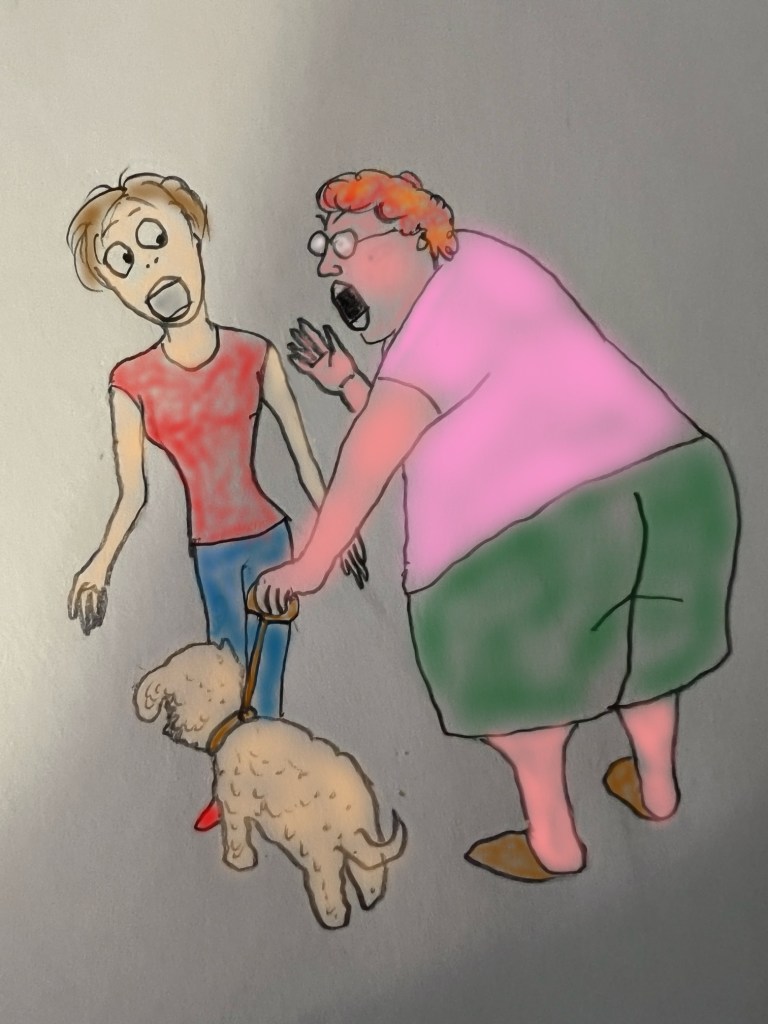

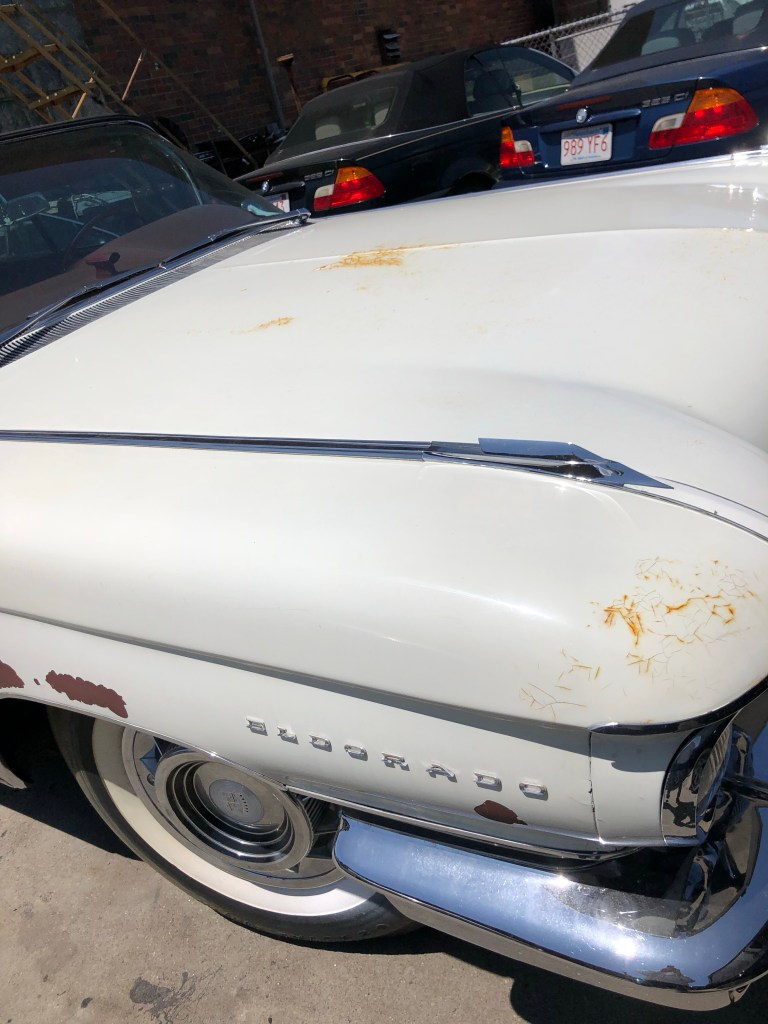
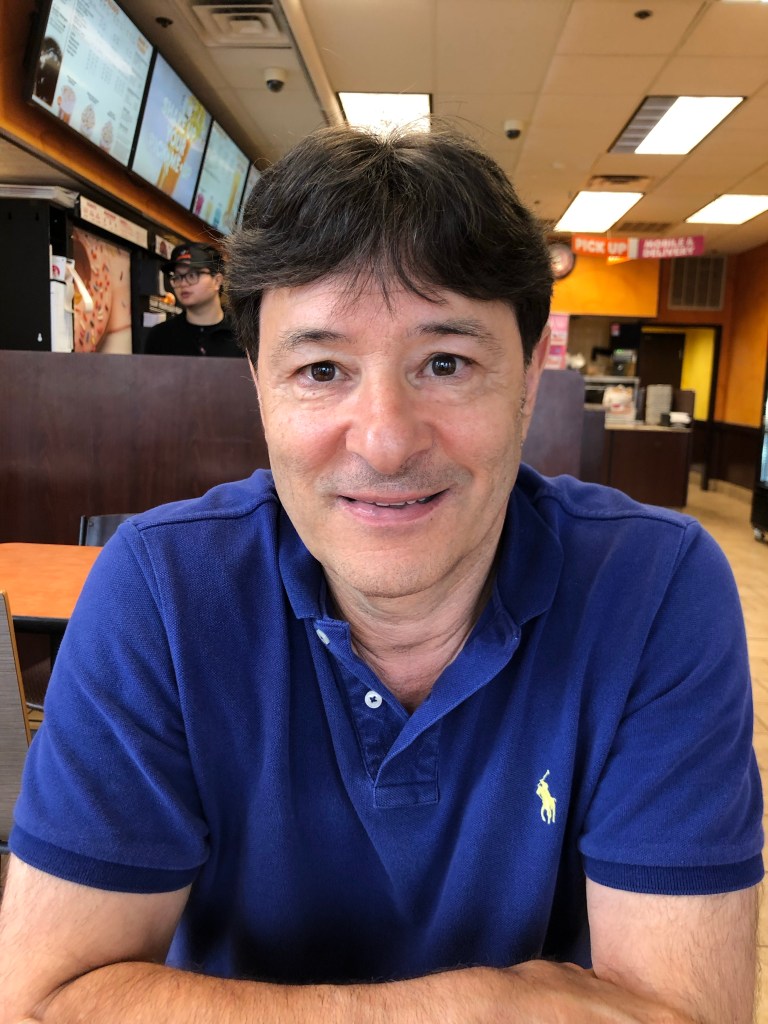
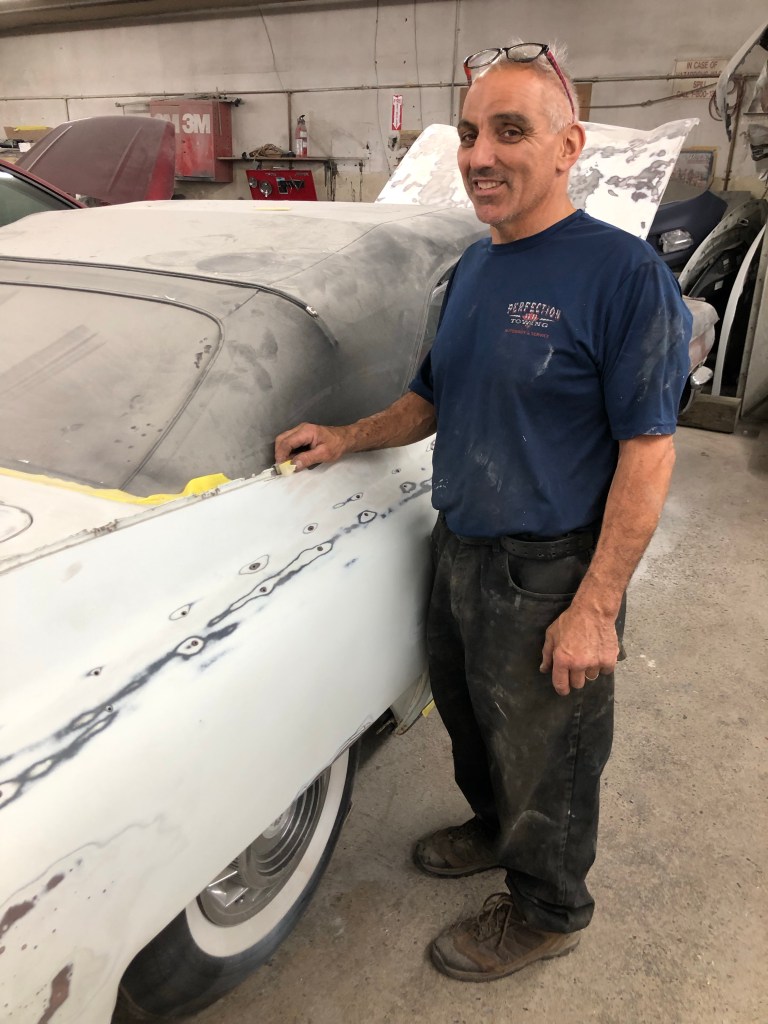
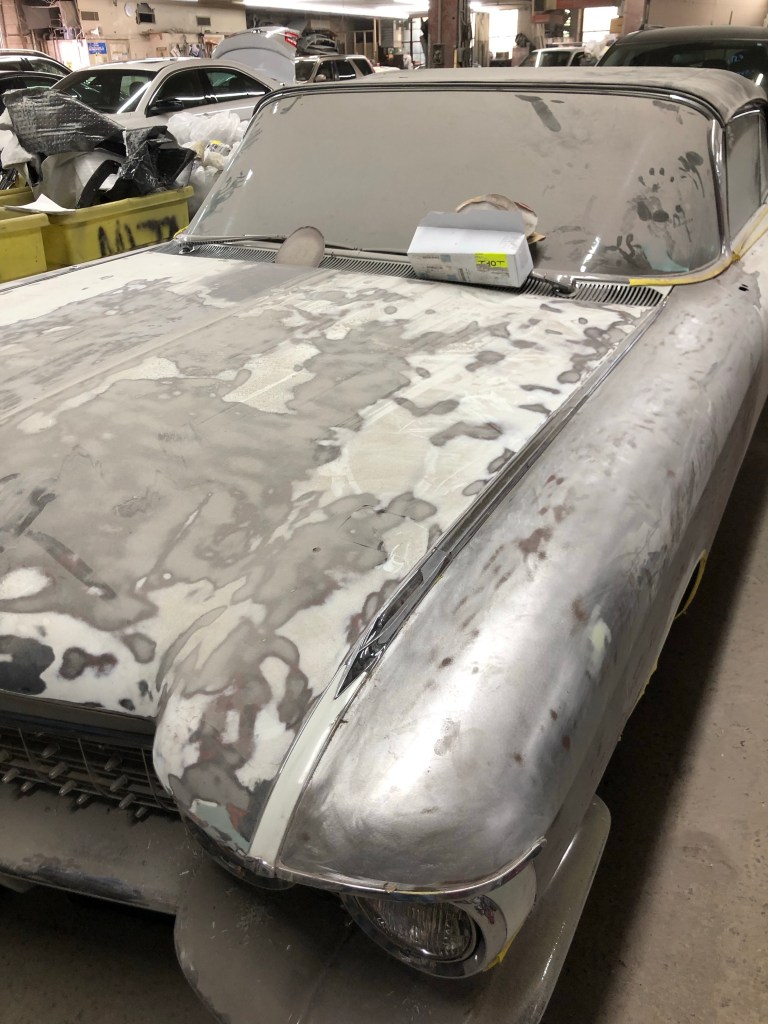
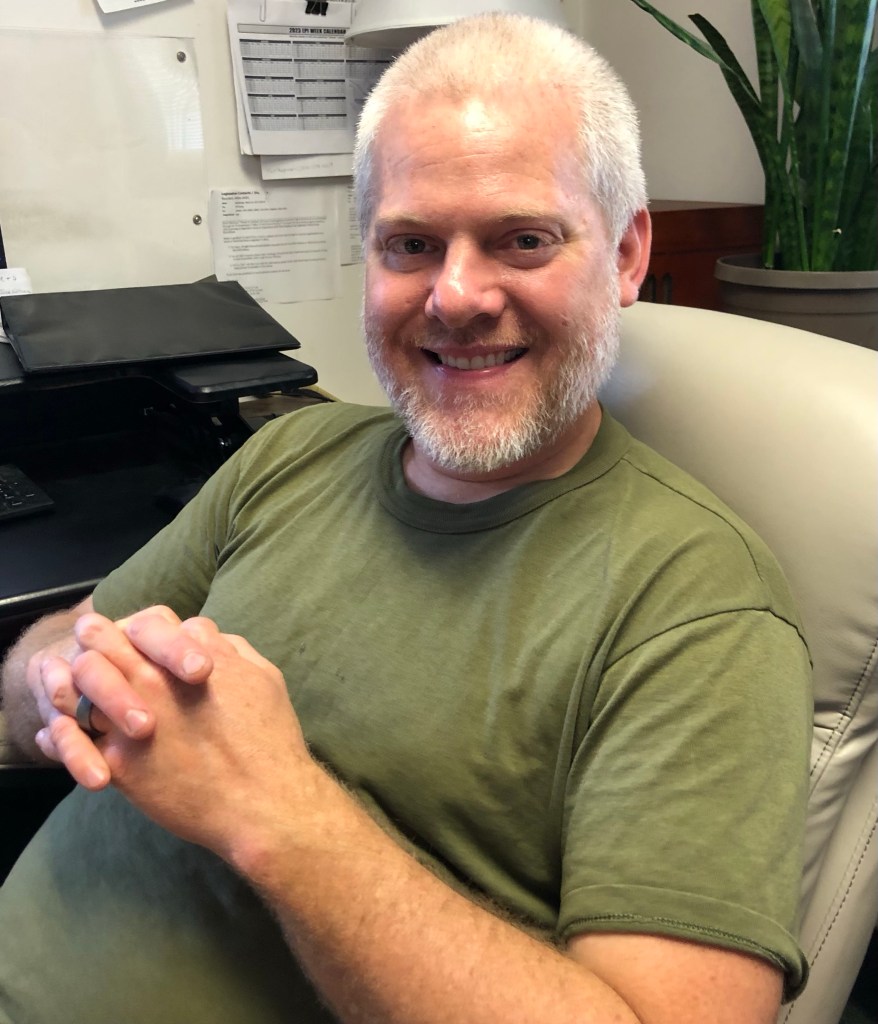
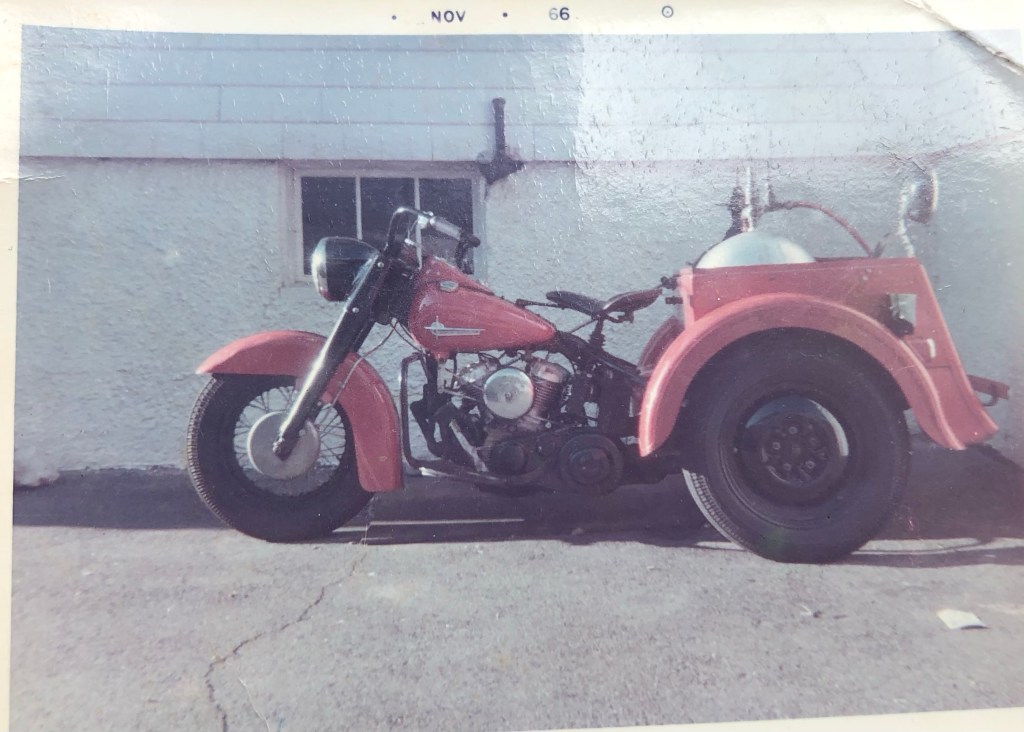





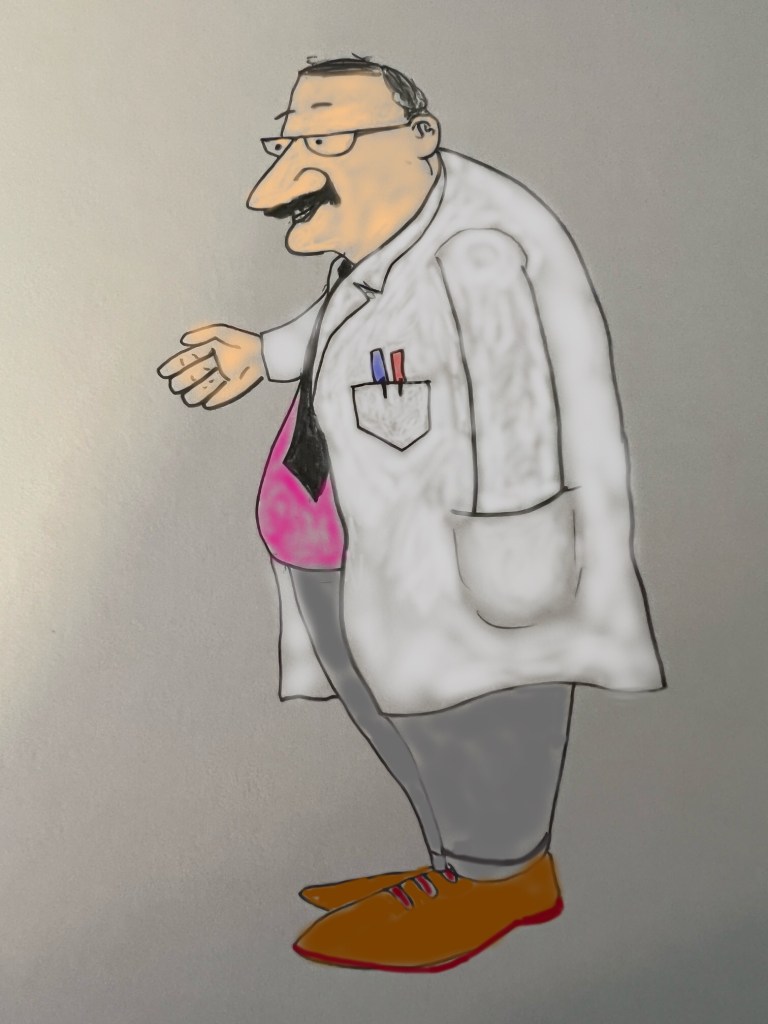

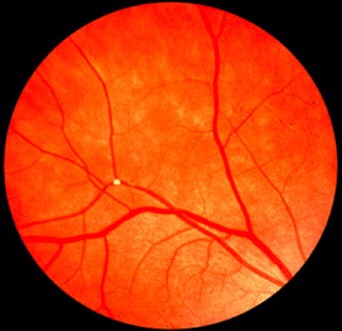



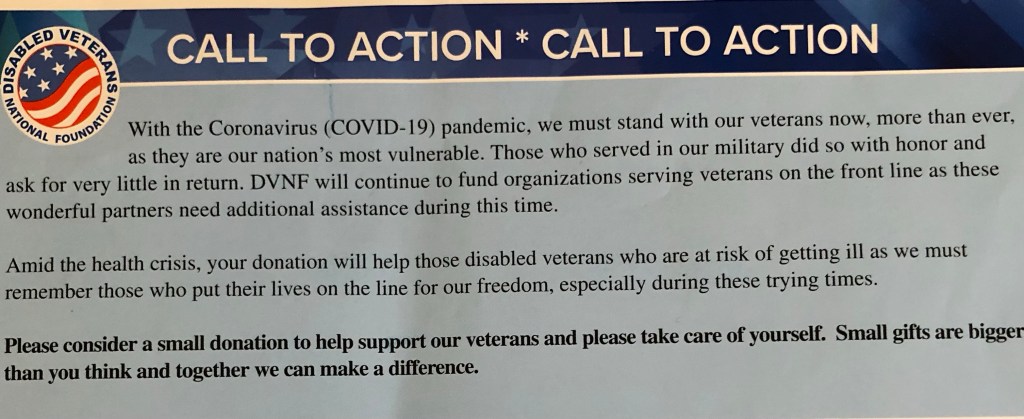


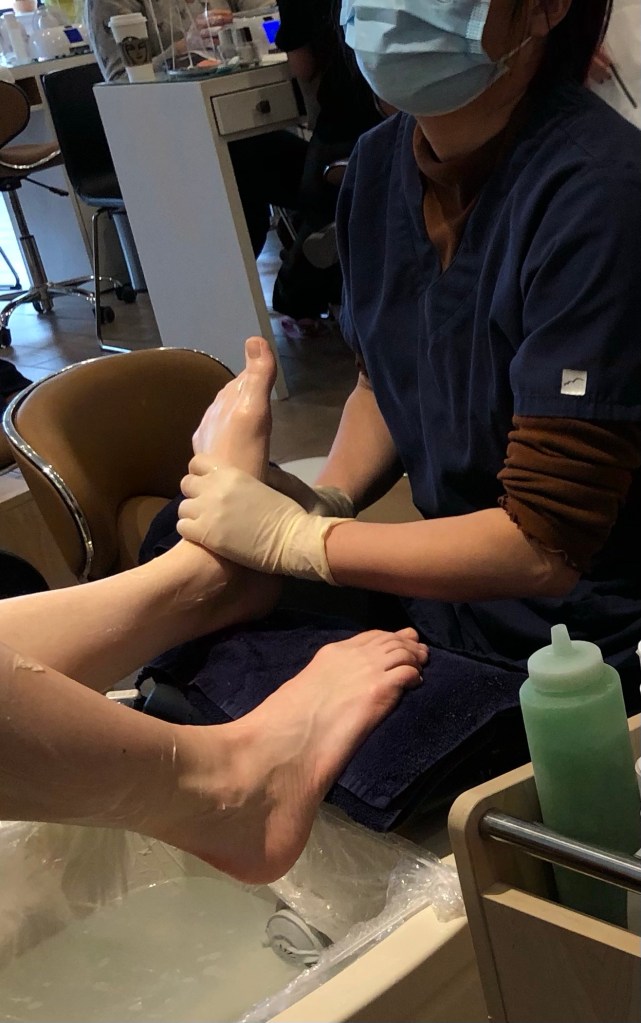


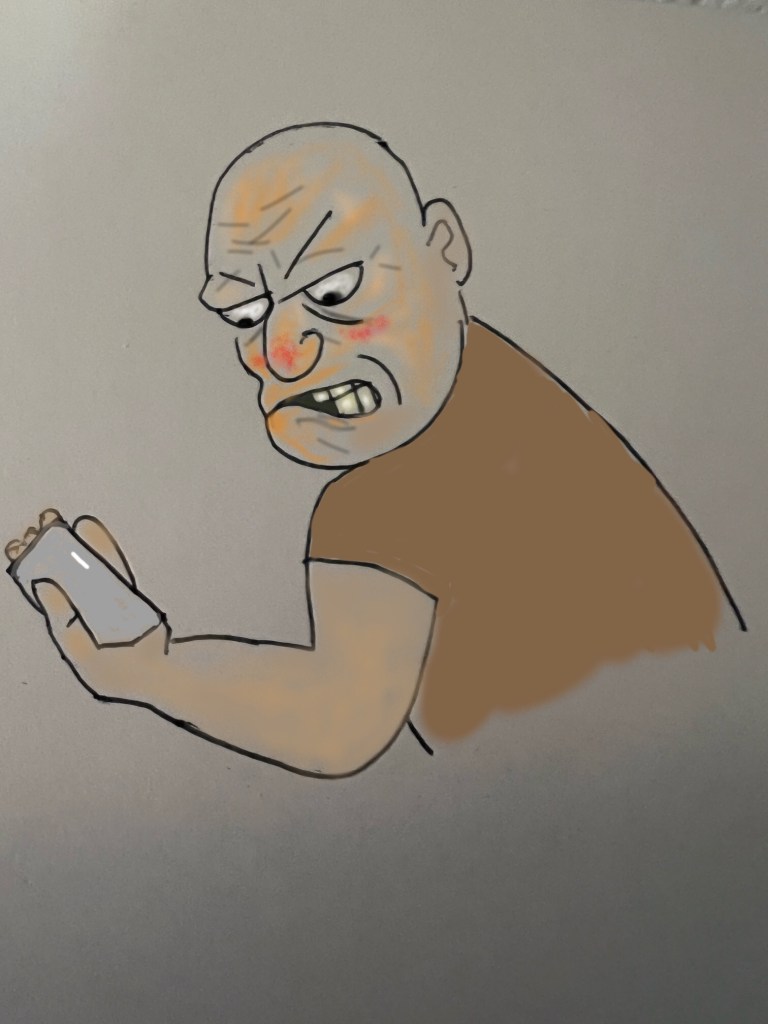
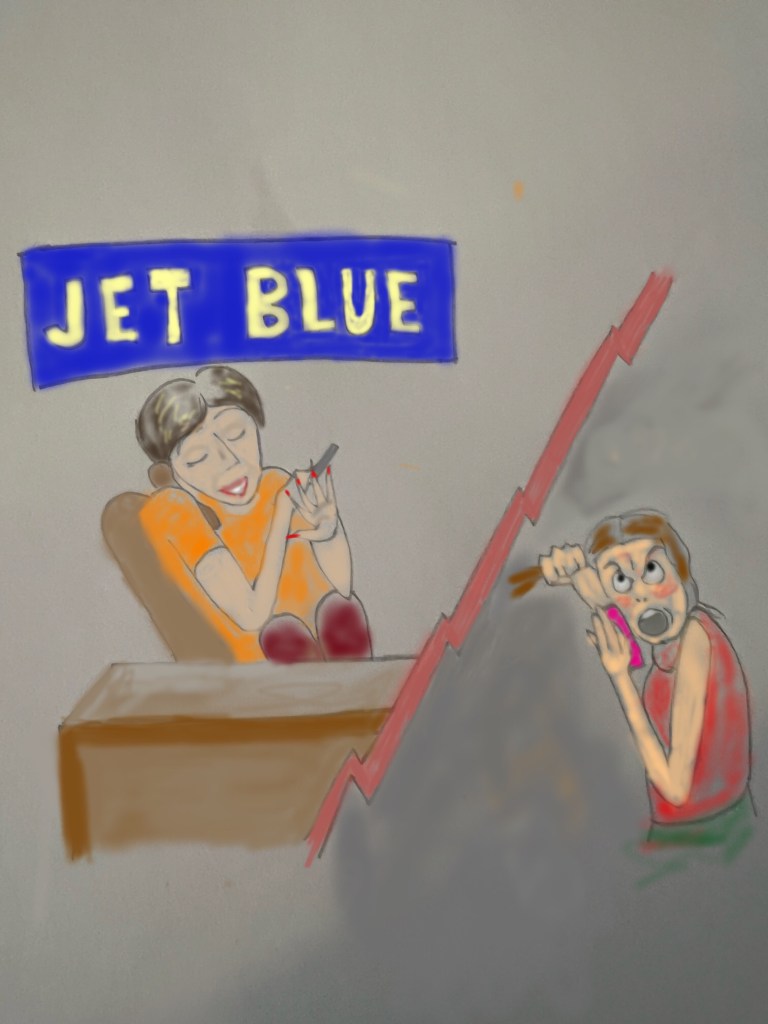
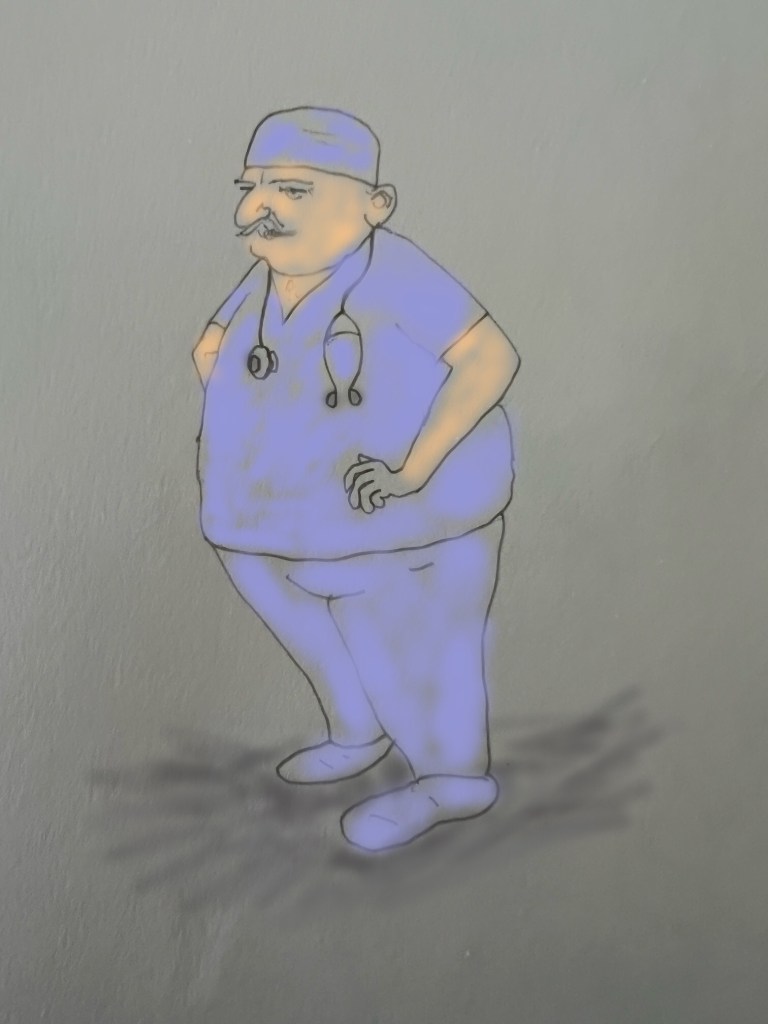
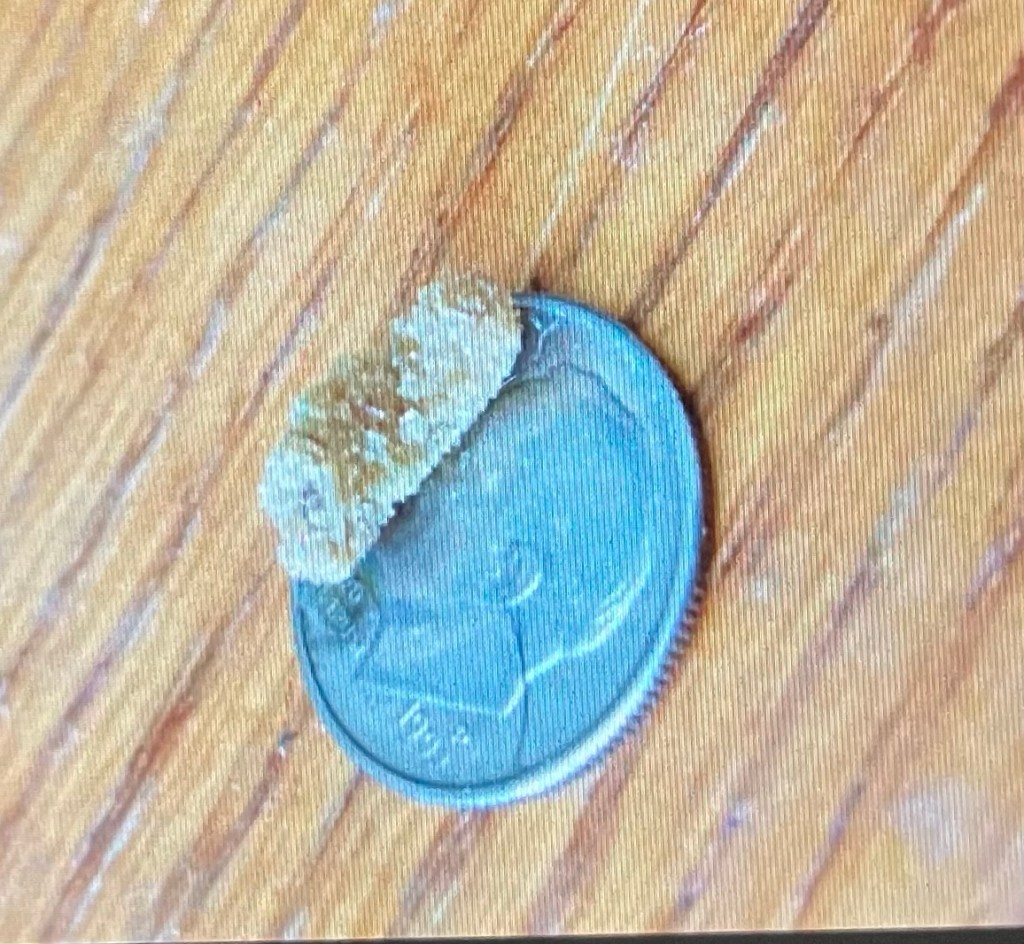
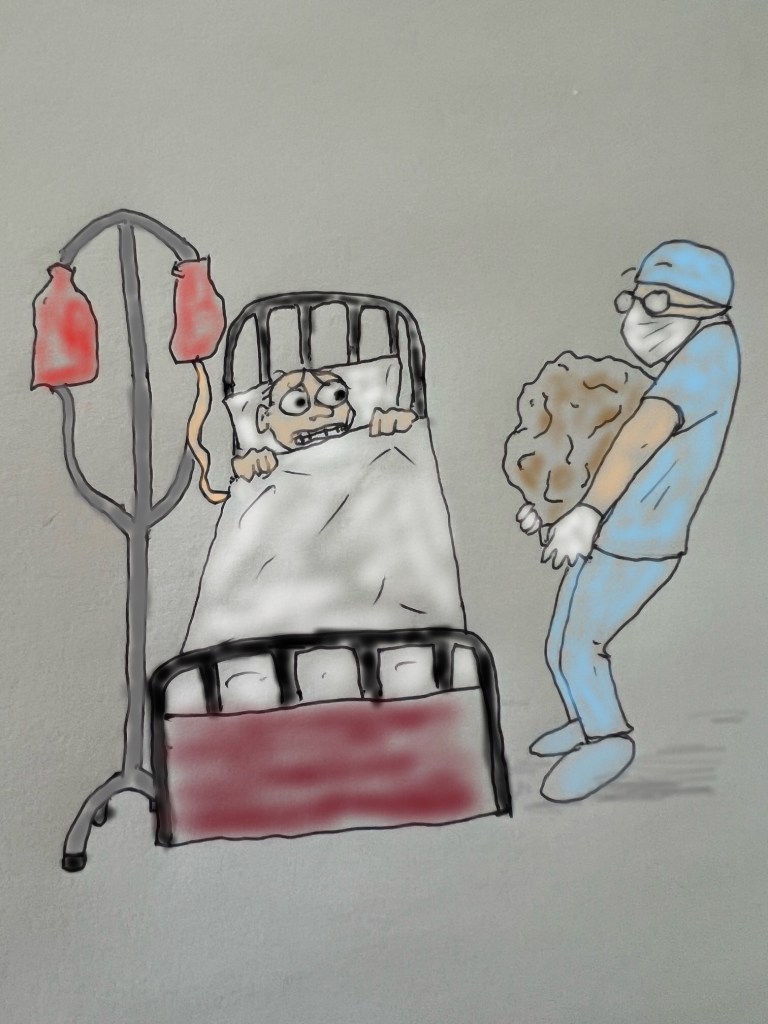



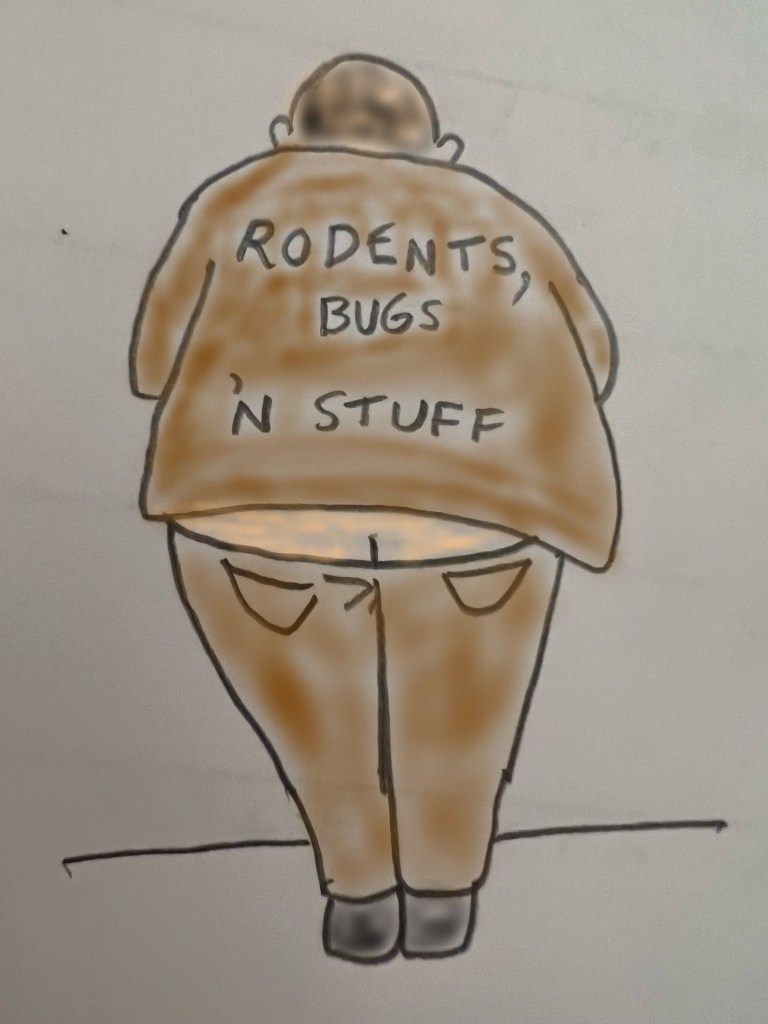
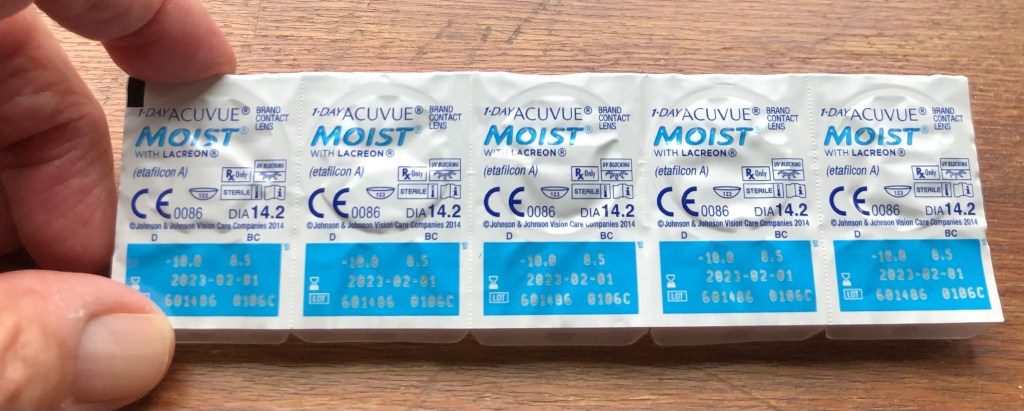
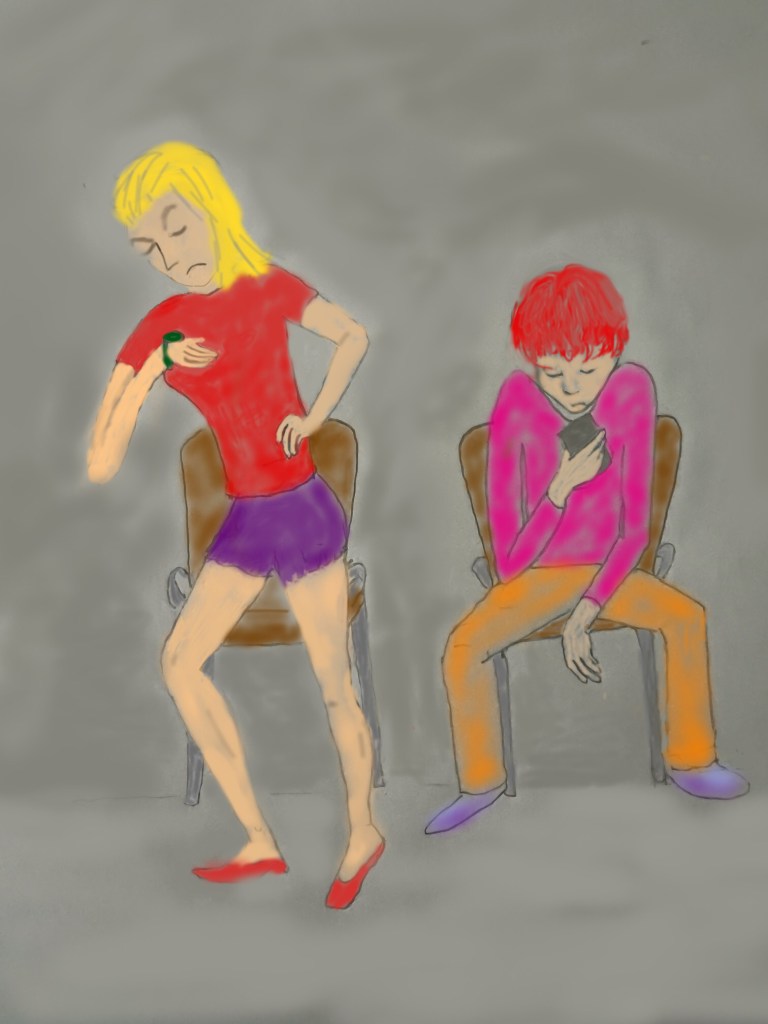
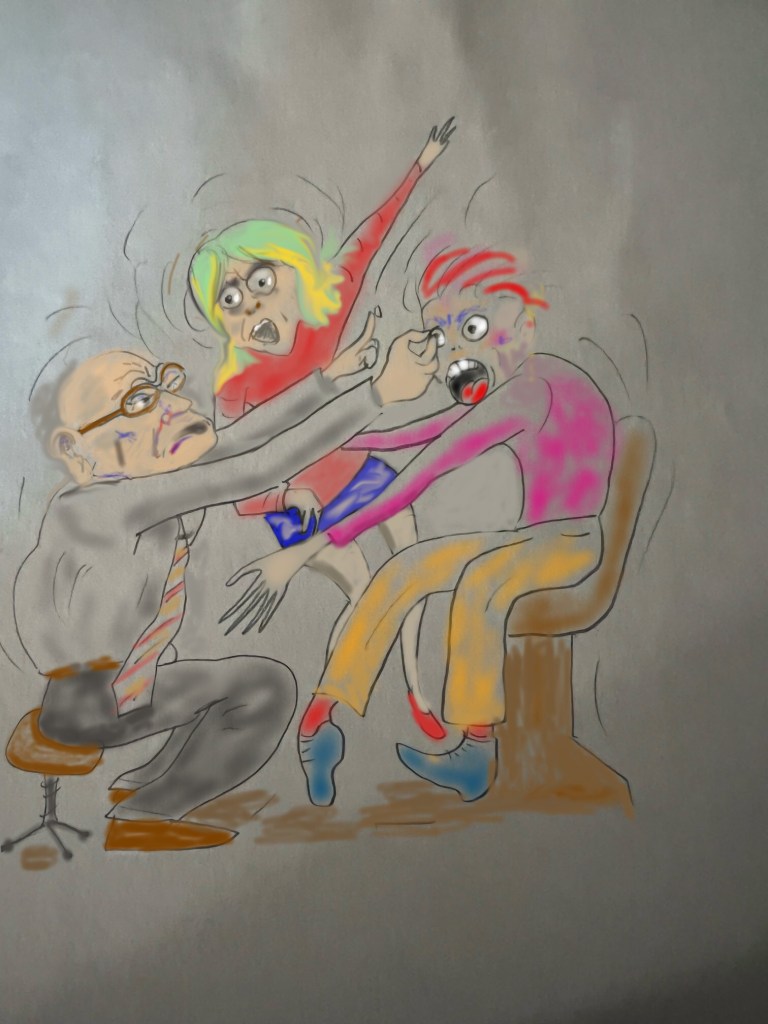

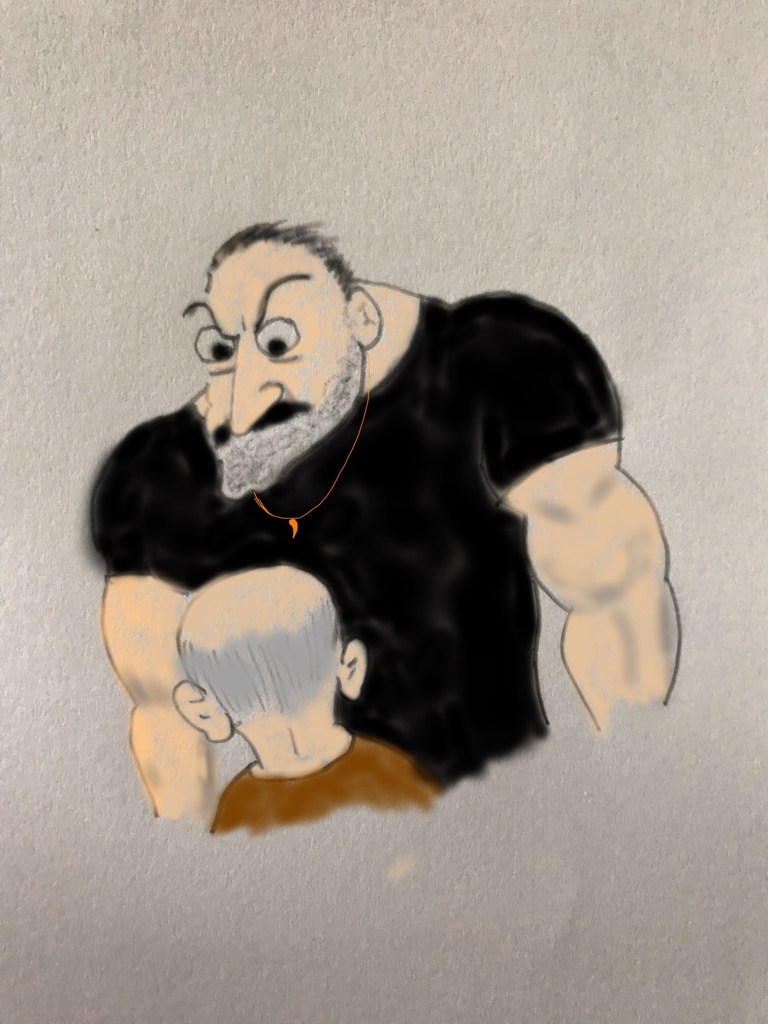
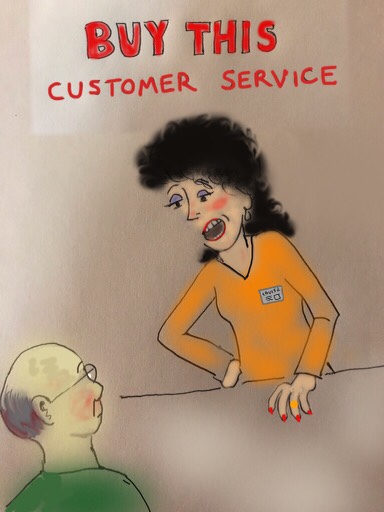

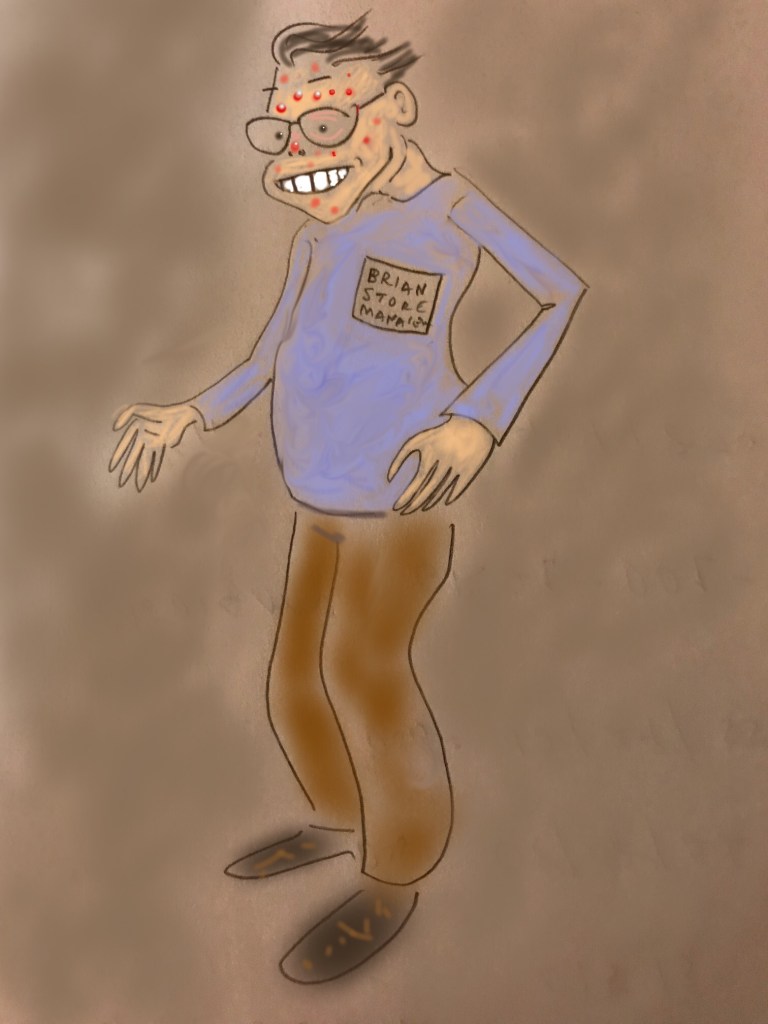
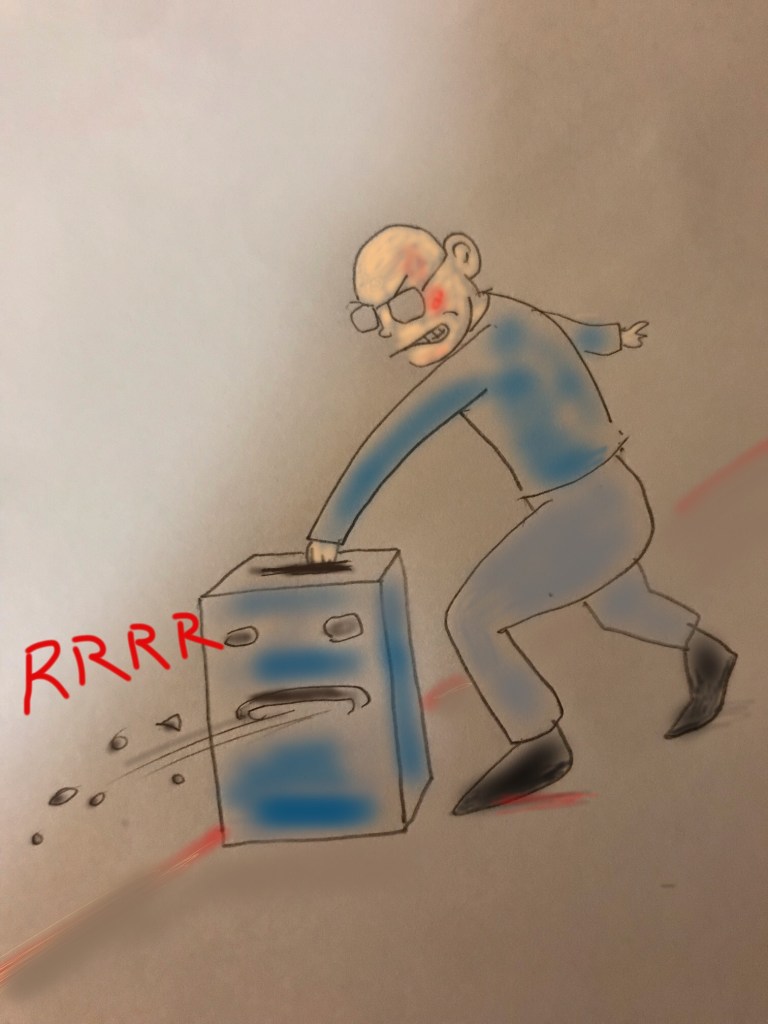
 leodenatale.com